Who is the Best Textile Spinning Machinery Manufacturer? An In-Depth Analysis
The global textile industry relies heavily on advanced spinning machinery to transform fibers into yarn. Selecting the best manufacturer is a critical decision for mills worldwide, impacting productivity, yarn quality, and long-term profitability. The title of "best" is not absolute but depends on specific needs such as technology focus, product portfolio, and market segment. This analysis delves into the leading contenders to provide a clearer picture of the industry landscape.
Key Contenders in the Global Spinning Machinery Arena
The market is dominated by a few established giants, primarily from Europe and Japan, with a growing presence from China and India. Each brings distinct strengths to the table.
Rieter (Switzerland)
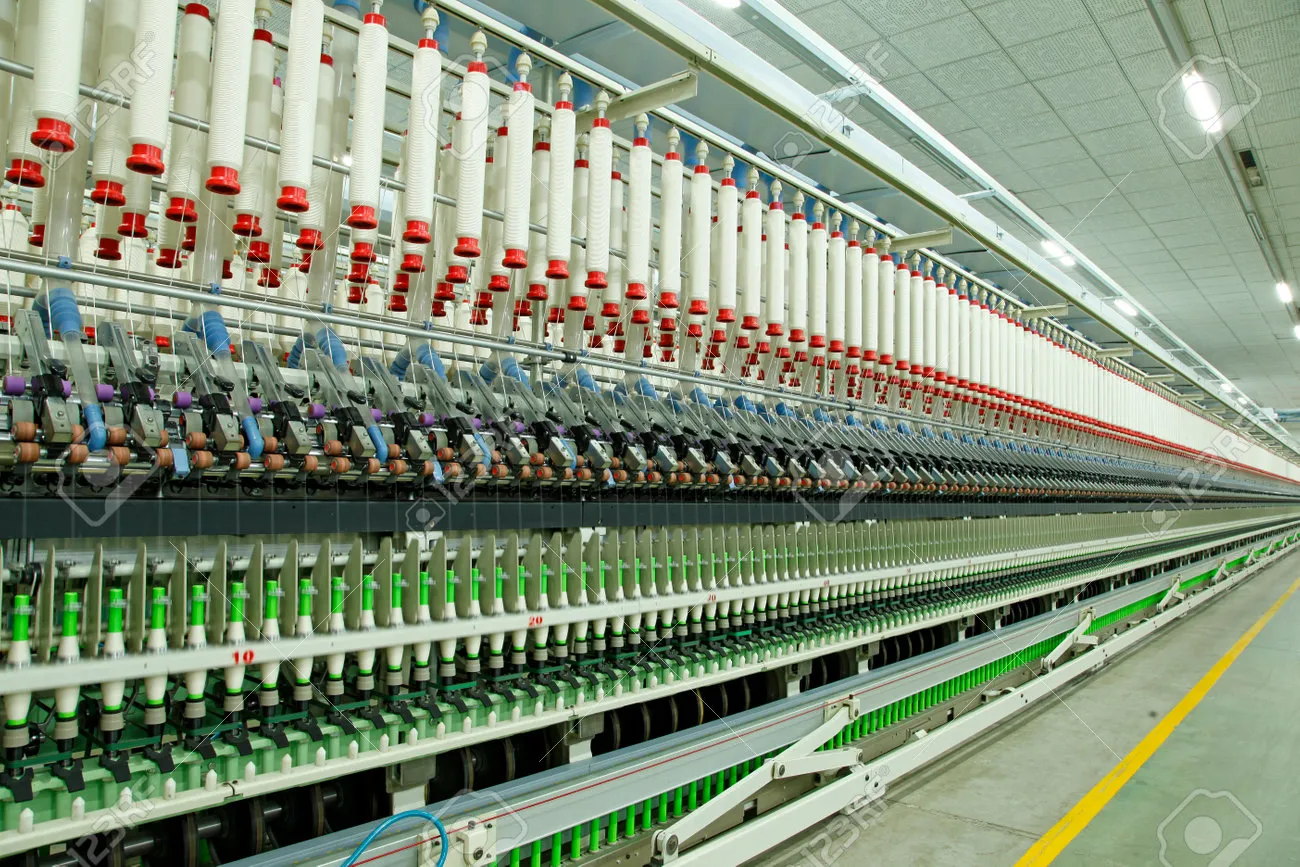
Rieter is often regarded as the benchmark for quality and innovation in short-staple (cotton) spinning systems. The Swiss company offers complete solutions from cleaning to ring or compact spinning. Their strength lies in high-precision engineering, energy-efficient technology, and the innovative "Internet of Things" platform, Rieter CAMPUS, which enables digital monitoring and optimization of the spinning process.
Saurer (Germany/Switzerland)
Saurer specializes in twisting, embroidery, and, crucially, long-staple (wool and synthetic) spinning machinery. Following strategic acquisitions (including Accotex and Temco), Saurer provides a comprehensive package for yarn processing. They are particularly strong in carpet yarn and technical textiles, emphasizing robustness and automation in their machinery designs.
Toyota Industries Corporation (Japan)
Renowned for reliability and exceptional yarn quality, Toyota's spinning machinery, especially its air-jet and ring spinning frames, is highly respected. Toyota focuses on producing user-friendly, durable machines that deliver consistent results with minimal maintenance. Their technology is a preferred choice for mills producing high-end yarns for demanding applications.
Murata Machinery (Japan)
Murata is the undisputed leader in vortex spinning (Murata Vortex Spinner - MVS). This proprietary technology offers extremely high speeds and produces unique yarn characteristics suitable for many apparel fabrics. For mills focused on vortex spinning for short-staple fibers, Murata is the go-to and often sole-source manufacturer, giving it a dominant niche position.
Comparative Analysis: Strengths and Specializations
The following table summarizes the core competencies of these top manufacturers, helping to contextualize their "best" status for different requirements.
| Manufacturer | Core Technology Strength | Product Range Focus | Key Market Advantage |
|---|---|---|---|
| Rieter | Short-staple ring & compact spinning, complete lines, IoT (CAMPUS) | Comprehensive systems from bale to yarn | Innovation leader, total system integration, digital solutions |
| Saurer | Twisting, long-staple spinning, embroidery | Technical yarns, carpet yarns, downstream processing | Specialization in twisting and robust machinery for coarse counts |
| Toyota | Air-jet spinning, ring spinning | High-quality yarn production machinery | Superlative yarn quality, machine reliability, and durability |
| Murata | Vortex spinning (MVS) | Vortex spinning machines and related equipment | Monopoly in high-speed vortex spinning technology |
Defining "Best": Criteria for Selection
Technological Innovation and R&D
The best manufacturer invests heavily in research. Rieter leads in digitalization and sustainable processes, while Murata's vortex spinning is a landmark innovation. Toyota consistently refines its platforms for peak performance.
Product Range and System Integration
For a new mill seeking a turnkey solution, Rieter's full-line offering is a significant advantage. Saurer provides depth in specific segments, whereas Toyota and Murata offer best-in-class machines for specific spinning methods.
After-Sales Service and Global Support
Complex machinery requires impeccable support. All leading players have extensive global service networks. The quality and responsiveness of technical support, spare parts availability, and training programs are critical differentiators.
Cost of Ownership and ROI
The "best" machine offers the optimal balance of initial investment, energy consumption, maintenance costs, and output quality. Toyota is famed for low lifetime costs, while Rieter's digital tools aim to maximize ROI through efficiency gains.
Conclusion: The Best is Context-Dependent
There is no single "best" manufacturer for all scenarios. For a vertically integrated cotton mill, Rieter might be the best choice. For a specialist in polyester filament twisting, Saurer could be ideal. A mill focusing on premium compact cotton yarn might prefer Toyota, while a high-volume operation targeting vortex-spun yarns would unequivocally choose Murata.
The decision must be based on a thorough analysis of the intended yarn product, capital budget, operational priorities, and long-term strategic goals. The true "best" manufacturer is the one whose technological expertise and product ecosystem align most perfectly with the specific needs of the spinning mill, ensuring competitiveness and growth in an ever-evolving market.