

Warehouse Automation Solutions: The Future of Logistics
In today's fast-paced, e-commerce-driven world, the efficiency of warehouse operations is a critical determinant of business success. Warehouse automation solutions represent a paradigm shift, moving from manual, labor-intensive processes to highly efficient, technology-driven ecosystems. These solutions encompass a wide range of technologies designed to streamline storage, retrieval, sorting, packing, and shipping processes, ultimately enhancing accuracy, speed, and scalability while reducing operational costs and human error.
The Core Components of Modern Warehouse Automation
Warehouse automation is not a single technology but a synergistic integration of various systems. Understanding its core components is essential for appreciating its transformative impact.
Automated Storage and Retrieval Systems (AS/RS)
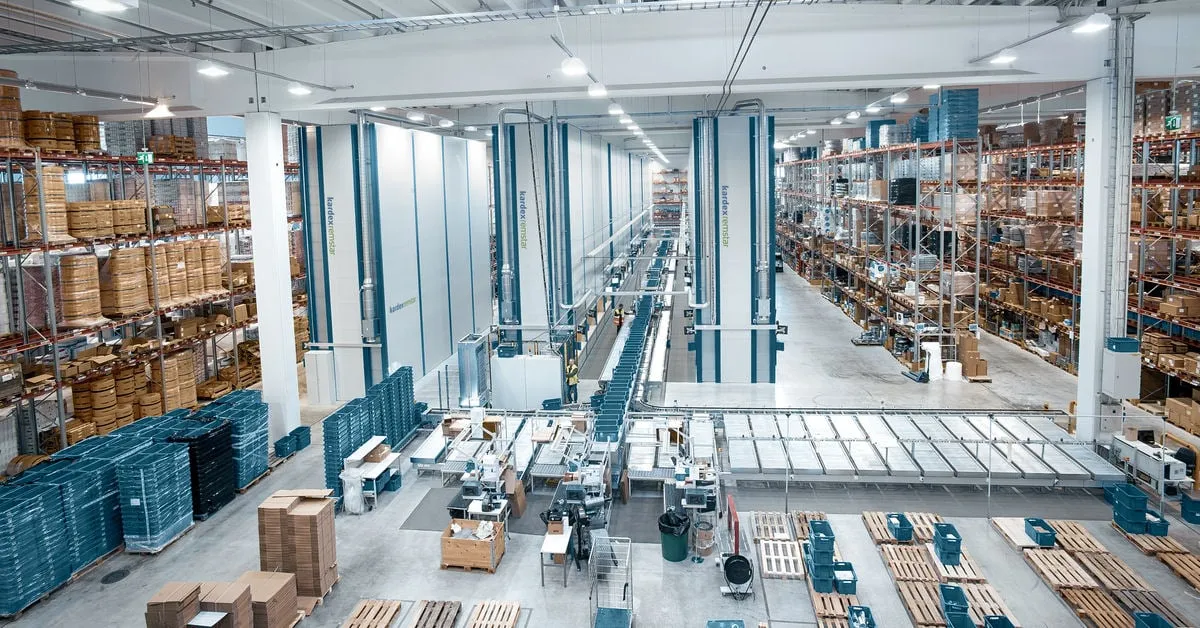
AS/RS are the backbone of many automated warehouses. These computer-controlled systems automatically place and retrieve loads from defined storage locations. They maximize vertical space utilization and drastically reduce the time and labor required for inventory handling.
Autonomous Mobile Robots (AMRs) and Automated Guided Vehicles (AGVs)
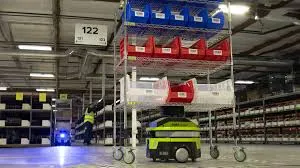
AMRs and AGVs are revolutionizing material movement. While AGVs follow predefined paths (wires, magnets, or tracks), AMRs use sophisticated sensors and onboard intelligence to navigate dynamically around the warehouse floor, transporting goods between stations safely and efficiently alongside human workers.
Conveyor and Sortation Systems
These systems form the arteries of the warehouse, automatically transporting items from one point to another. Advanced sortation systems use scanners, diverters, and pushers to route products to the correct shipping lanes or packing stations at high speeds.
Robotic Picking and Packing Systems
From robotic arms that pick individual items (piece-picking) to systems that automate the packing of orders into boxes, robotics are tackling the most labor-intensive and repetitive tasks. Advances in computer vision and gripper technology have made robots more adaptable and precise.

Key Benefits and Return on Investment
The implementation of warehouse automation delivers tangible and strategic advantages across multiple dimensions of operations.
| Benefit Category | Specific Impact | Business Outcome |
|---|---|---|
| Operational Efficiency | Faster order cycle times, 24/7 operation, reduced travel/wait time. | Higher throughput, ability to handle peak volumes (e.g., holiday seasons). |
| Accuracy & Quality | Dramatic reduction in mis-picks, shipping errors, and inventory inaccuracies. | Lower return rates, increased customer satisfaction and trust. |
| Labor Optimization | Automation of repetitive, physically demanding, and low-value tasks. | Reduced labor costs, reallocation of staff to higher-value roles, mitigation of labor shortages. |
| Space Utilization | High-density storage, reduced aisle widths, better cubic space usage. | Delayed or eliminated need for costly warehouse expansion. |
| Safety & Ergonomics | Reduction of heavy lifting, bending, and walking in hazardous areas. | Fewer workplace injuries, lower insurance costs, improved employee well-being. |
| Scalability & Flexibility | Modular systems (like AMRs) can be scaled up or reconfigured as needs change. | Agility to adapt to market changes, new product lines, and business growth. |
Implementation Strategy and Considerations
Successfully deploying warehouse automation requires careful planning and a phased approach. It is a significant capital investment that must align with business strategy.
Assessment and Planning
The journey begins with a thorough analysis of current operations. Key performance indicators (KPIs) like order volume, SKU profiles, peak demands, and error rates must be evaluated. The goal is to identify bottlenecks and define clear objectives for automation (e.g., reduce picking time by 40%).
Choosing the Right Technology Mix
Not every warehouse needs the same solution. A high-volume, low-SKU operation might prioritize conveyor and sortation, while a facility with many slow-moving SKUs might benefit more from a Goods-to-Person (G2P) system using AMRs. The choice depends on product characteristics, order profiles, and facility constraints.
Integration with WMS and Software
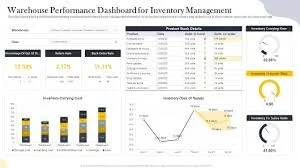
Automation hardware is powerless without intelligent software. Seamless integration with a Warehouse Management System (WMS) or a specialized Warehouse Execution System (WES) is critical. This software layer acts as the "brain," orchestrating robots, conveyors, and people, optimizing workflows in real-time.
Change Management and Workforce Training
Automation transforms job roles, it doesn't eliminate the need for people. Proactive change management and training are vital to help the workforce transition to new, often more technical, roles such as robot oversight, system maintenance, and data analysis.
The Future Horizon: AI and Advanced Analytics
The next frontier of warehouse automation lies in predictive intelligence. Artificial Intelligence (AI) and Machine Learning (ML) are being integrated to enable:
- Predictive Maintenance: Analyzing sensor data to predict equipment failures before they occur.
- Dynamic Slotting: AI algorithms that continuously analyze sales data to optimally position fast-moving items for quicker picking.
- Demand Forecasting: Integrating automation data with supply chain planning for more accurate inventory management.
In conclusion, warehouse automation solutions are no longer a luxury for a few large corporations; they are becoming a necessity for businesses seeking resilience, competitiveness, and growth. From robotic arms and mobile robots to intelligent software platforms, these technologies are creating warehouses that are faster, smarter, and more adaptable than ever before. The journey requires investment and strategic planning, but the rewards—in efficiency, accuracy, and scalability—are foundational to thriving in the modern digital economy.