

Understanding HS Codes for Material Handling Robots: A Comprehensive Guide
In the rapidly evolving landscape of industrial automation, material handling robots have become indispensable for warehouses, manufacturing plants, and logistics centers worldwide. As these robots cross international borders, accurate classification under the Harmonized System (HS) is crucial for smooth customs clearance, correct duty assessment, and compliance with trade regulations. This article provides an in-depth exploration of HS codes for material handling robots, their structure, and their practical implications for importers and exporters.
What is the Harmonized System (HS) Code?
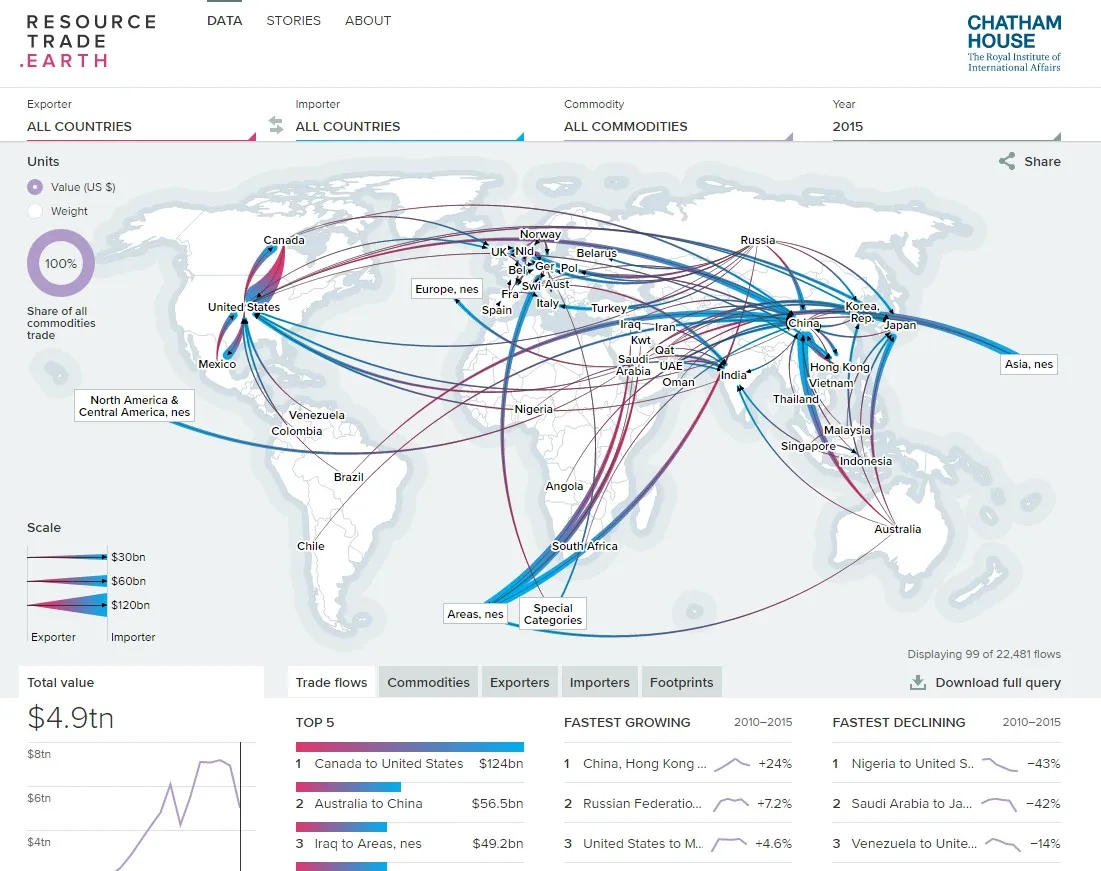
The Harmonized System is an internationally standardized nomenclature for classifying traded products. Developed and maintained by the World Customs Organization (WCO), it is used by over 200 countries and economies as a basis for customs tariffs and international trade statistics. An HS code typically consists of 6 digits, though countries may add additional digits for further specificity. For material handling robots, correct classification ensures that shipments are not delayed, over-taxed, or penalized due to misdeclaration.
Primary HS Code for Material Handling Robots
Material handling robots are primarily classified under HS Code 8428.90. This code falls within Chapter 84 of the HS, which covers nuclear reactors, boilers, machinery, and mechanical appliances. Let's break down this code:
- 84: Chapter for machinery and mechanical appliances.
- 28: Heading for "Other lifting, handling, loading or unloading machinery".
- 90: Subheading for "Other machinery".
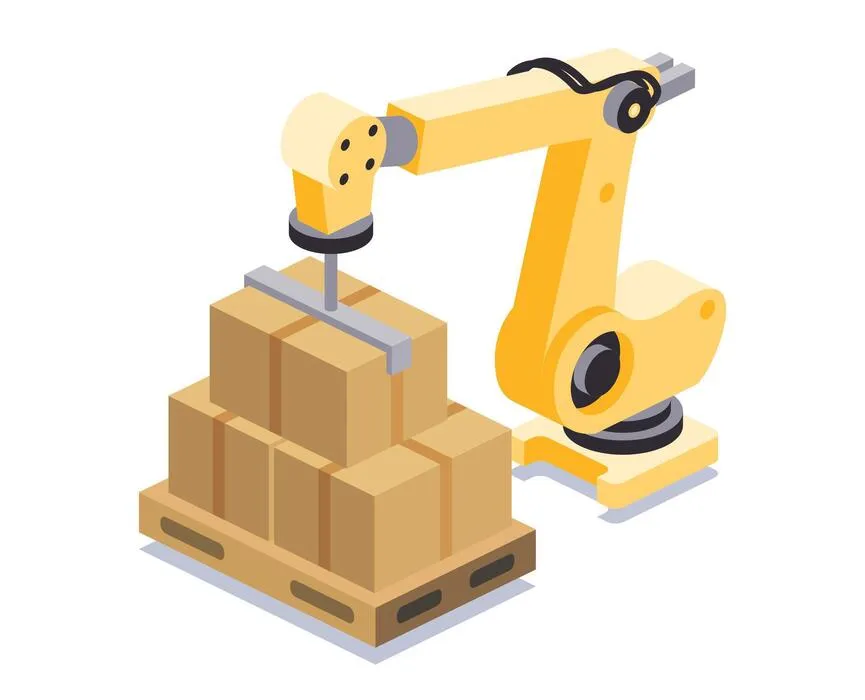
This classification encompasses robots designed for lifting, moving, placing, or stacking materials in an automated or semi-automated manner. Common examples include robotic arms for palletizing, automated guided vehicles (AGVs), and gantry robots used in assembly lines.
Key Considerations for Accurate Classification
While 8428.90 is a common entry point, classification can vary based on the robot's specific function, design, and technological features. Customs authorities examine factors such as:
- Primary function (lifting, transporting, stacking).
- Degree of automation and control systems.
- Integration with other machinery or software.
- Whether it's part of a larger industrial system.
Detailed HS Code Breakdown and Examples
The following table provides a more detailed look at potential HS codes related to material handling robots and their applications:
| HS Code (6-digit) | Description | Common Robot Types |
|---|---|---|
| 8428.90 | Other lifting, handling, loading/unloading machinery | General-purpose robotic manipulators, palletizing robots |
| 8479.50 | Industrial robots for multiple uses | Programmable multi-axis robotic arms for handling |
| 8427.10 | Fork-lift trucks and other works trucks | Automated Guided Vehicles (AGVs), self-driving forklifts |
| 8431.20 | Parts for lifting/handling machinery | End-effectors, grippers, control units, sensors |
It is essential to consult the latest customs tariff schedules of the specific country of import or export, as national subdivisions (8-10 digit codes) can differ significantly.
Importance of Correct HS Code Declaration
Accurate HS code classification for material handling robots is not merely an administrative task—it has direct financial and operational consequences.
Financial Implications
Duty rates are applied based on the HS code. Misclassification can lead to underpayment (resulting in fines, penalties, and back duties) or overpayment (increasing costs unnecessarily). Some countries offer preferential duty rates or exemptions for certain industrial automation equipment under trade agreements, which can only be leveraged with correct coding.
Compliance and Risk Management
Incorrect codes can trigger customs audits, shipment delays, and storage demurrage charges. In severe cases, it can lead to allegations of fraud. Moreover, accurate HS data is vital for trade statistics, which governments use to formulate policy and negotiate trade deals.
Best Practices for Importers and Exporters
To ensure seamless international trade of material handling robots, businesses should adopt the following practices:
- Consult Official Resources: Use the WCO's Harmonized System database and the national customs authority's tariff publications.
- Seek Binding Rulings: Where uncertainty exists, apply to the relevant customs authority for a Binding Tariff Information (BTI) ruling, which provides a legally binding classification.
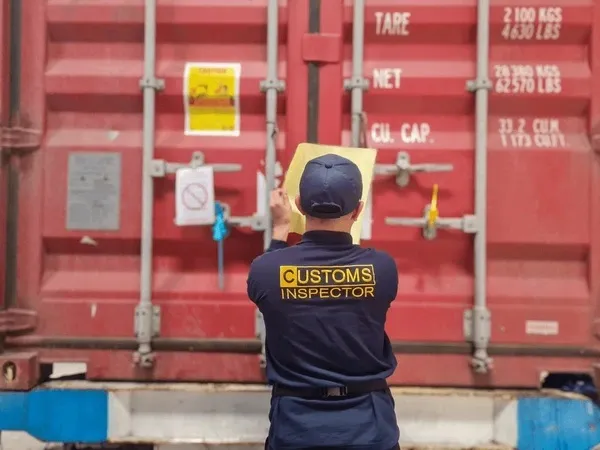
- Document Specifications: Maintain detailed technical specifications, manuals, and photos of the robots to justify the declared code to customs officials.
- Work with Experts: Engage customs brokers, freight forwarders, or trade compliance consultants with specific experience in industrial machinery and robotics.
- Stay Updated: HS codes are revised every five years. Ensure your classifications align with the current edition (e.g., HS 2022, HS 2027).
Conclusion
Navigating the HS code for material handling robots, primarily under 8428.90, is a critical component of global supply chain management. Proper classification facilitates efficient customs clearance, optimizes duty costs, and ensures full regulatory compliance. As automation continues to transform global industries, a precise understanding of these trade codes will remain a vital competency for manufacturers, exporters, and importers alike. Investing time and resources into accurate HS code determination is an investment in predictable, cost-effective, and compliant international trade operations.