

Understanding Automation Systems: Meaning, Components, and Applications
The term automation systems refers to a broad category of technology and engineering solutions designed to perform tasks or control processes with minimal or reduced human intervention. At its core, automation involves using control systems, machinery, software, and information technologies to operate equipment, manage workflows, and execute complex sequences automatically. The primary goal is to increase efficiency, improve quality, enhance safety, and reduce operational costs by transferring repetitive, hazardous, or precision-critical functions from humans to automated systems.
Core Components of an Automation System
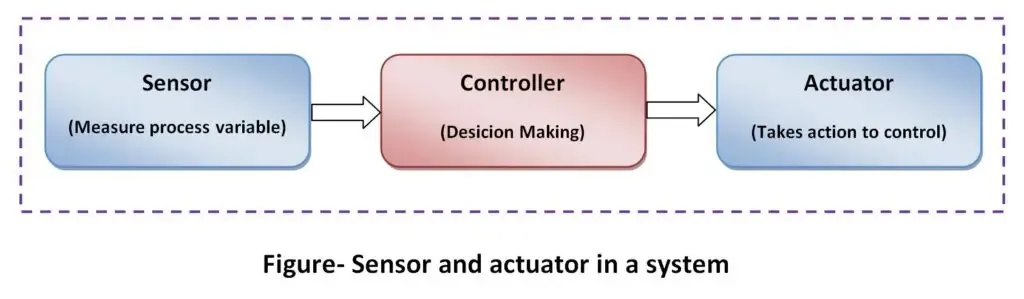
Every automation system, regardless of its complexity or application, is built upon several fundamental components that work in concert. Understanding these parts is key to grasping the full meaning of automation systems.
1. Sensors and Input Devices
Sensors are the "eyes and ears" of an automation system. They collect data from the physical environment—such as temperature, pressure, position, presence, or light—and convert it into electrical signals that the control system can understand.
2. Controllers: The "Brain"
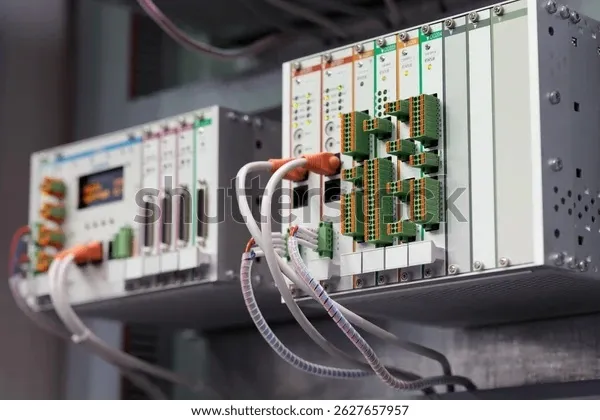
The controller, often a Programmable Logic Controller (PLC), Distributed Control System (DCS), or industrial computer, processes the input data from sensors. It executes pre-programmed logic or algorithms to make decisions about what actions the system should take.
3. Actuators and Output Devices
Actuators are the "muscles" that carry out the physical actions commanded by the controller. Common examples include electric motors, pneumatic or hydraulic cylinders, valves, and robotic arms. They convert control signals into mechanical motion or action.
4. Human-Machine Interface (HMI)
The HMI is the point of interaction between human operators and the automated process. It can be a simple touchscreen, a dashboard with indicators and buttons, or sophisticated supervisory control and data acquisition (SCADA) software, providing visualization, control, and alarm management.
Major Types of Automation Systems
Automation systems can be categorized based on their flexibility and application scope. The table below summarizes the key types:
| Type of Automation | Key Characteristics | Typical Applications |
|---|---|---|
| Fixed (Hard) Automation | Designed for a single, specific task. High initial cost but high production rates. Difficult to reconfigure. | Automated assembly lines for a single product (e.g., automobile chassis welding). |
| Programmable Automation | Equipment can be reprogrammed to handle batch production of different products. Suited for medium-volume production. | PLC-controlled machining centers, industrial robots for batch assembly. |
| Flexible (Soft) Automation | Highly adaptable system controlled by computers. Can switch between product types with minimal downtime. | Custom manufacturing cells, CNC systems, advanced robotic workcells. |
| Integrated Automation | Complete automation of a manufacturing plant or process, often integrating multiple systems and enterprise software. | Fully automated "lights-out" factories, continuous process plants (oil & gas, chemicals). |
The Transformative Impact Across Industries
The meaning of automation systems is best understood through their real-world applications, which have revolutionized entire sectors.
Manufacturing and Industrial Automation
This is the traditional heartland of automation. Systems here include robotic assembly lines, automated material handling (AGVs, AS/RS), and computer-integrated manufacturing (CIM). They drive the modern concept of Industry 4.0, characterized by cyber-physical systems and the Industrial Internet of Things (IIoT).
Building Automation
Automation systems manage heating, ventilation, air conditioning (HVAC), lighting, security, and fire safety in commercial and residential buildings. They optimize energy use (creating "smart buildings") and improve occupant comfort and safety.
Process Automation
Used in continuous or batch-oriented industries like oil refining, pharmaceuticals, food and beverage, and water treatment. Distributed Control Systems (DCS) ensure precise control of variables like flow, temperature, and pressure for consistent product quality and safety.
Office and Business Process Automation (BPA)
This involves software "robots" (RPA - Robotic Process Automation) and workflow systems that automate repetitive digital tasks such as data entry, invoice processing, and report generation, freeing human workers for higher-value activities.
Benefits and Challenges
The adoption of automation systems brings profound benefits but also presents significant considerations.
Key Benefits: Dramatic increases in productivity and throughput; superior and consistent product quality; enhanced worker safety by removing humans from dangerous environments; significant long-term cost reduction in labor and operational waste; and the ability to operate continuously (24/7).
Key Challenges: Very high initial capital investment and implementation complexity; ongoing need for skilled personnel to program, maintain, and troubleshoot systems; cybersecurity risks as systems become more connected; and the socio-economic impact of workforce displacement, necessitating reskilling initiatives.
The Future: Intelligent and Collaborative Automation
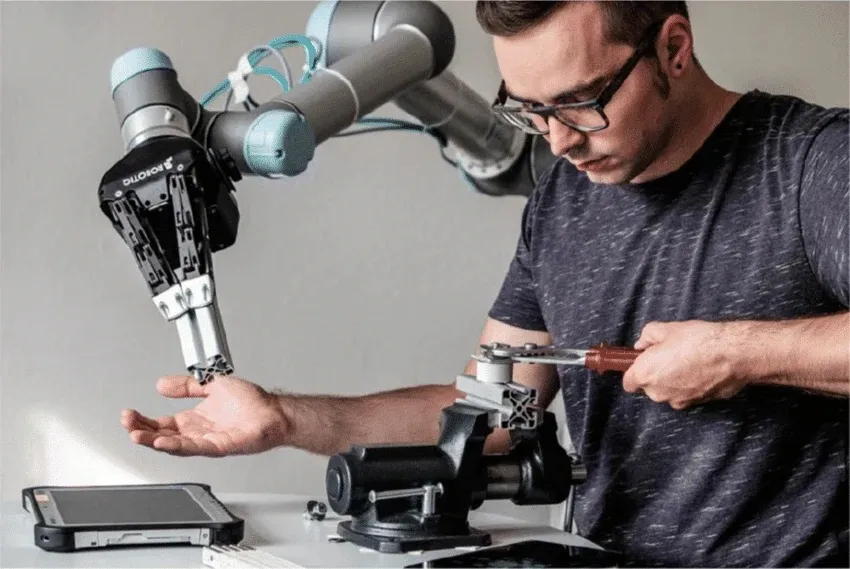
The meaning of automation systems is evolving beyond simple mechanization. The future lies in intelligent automation, which integrates Artificial Intelligence (AI) and Machine Learning (ML) to enable systems that can learn, adapt, and optimize themselves. Furthermore, collaborative robotics (cobots) are designed to work safely alongside humans, combining the strength and precision of machines with human problem-solving and dexterity.
In conclusion, the meaning of automation systems encompasses a vast and dynamic field of technology focused on creating self-operating, intelligent mechanisms to augment or replace human effort. From factory floors to smart homes and digital offices, these systems are fundamental to modern economic productivity and innovation. As technology advances, automation systems will become even more pervasive, adaptive, and integral to solving the complex challenges of efficiency, sustainability, and quality in the 21st century.