

Types of Warehouse Automation: A Comprehensive Guide
The landscape of logistics and supply chain management is undergoing a profound transformation, driven by the relentless advancement of warehouse automation. Moving beyond traditional manual processes, automated systems are enhancing efficiency, accuracy, and scalability while reducing operational costs and labor dependency. This guide explores the primary types of warehouse automation, categorized by their function and technological sophistication, providing a clear roadmap for understanding this critical evolution in material handling.
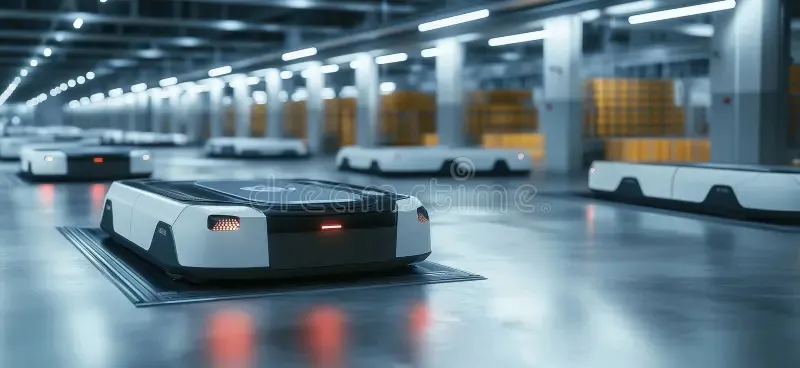
1. Goods-to-Person (GTP) Technologies
This category focuses on minimizing the time workers spend walking by bringing inventory directly to them. It is a cornerstone of high-density, high-throughput operations.
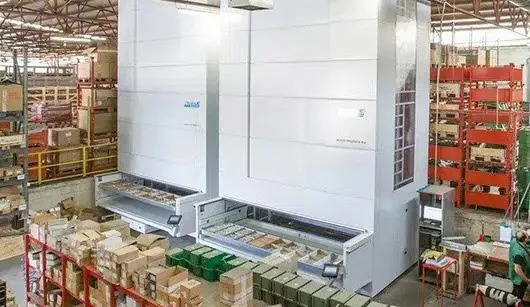
Automated Storage and Retrieval Systems (AS/RS)
AS/RS are computer-controlled systems that automatically place and retrieve loads from defined storage locations. They maximize vertical space utilization and are ideal for cold storage or handling heavy items.
- Unit-load AS/RS: For handling full pallets.
- Mini-load AS/RS: For smaller items in bins or trays.
- Vertical Lift Modules (VLMs) & Horizontal Carousels: Vertical or rotating systems that bring bins to an ergonomic pick window.
2. Mobile Robotics and Automation
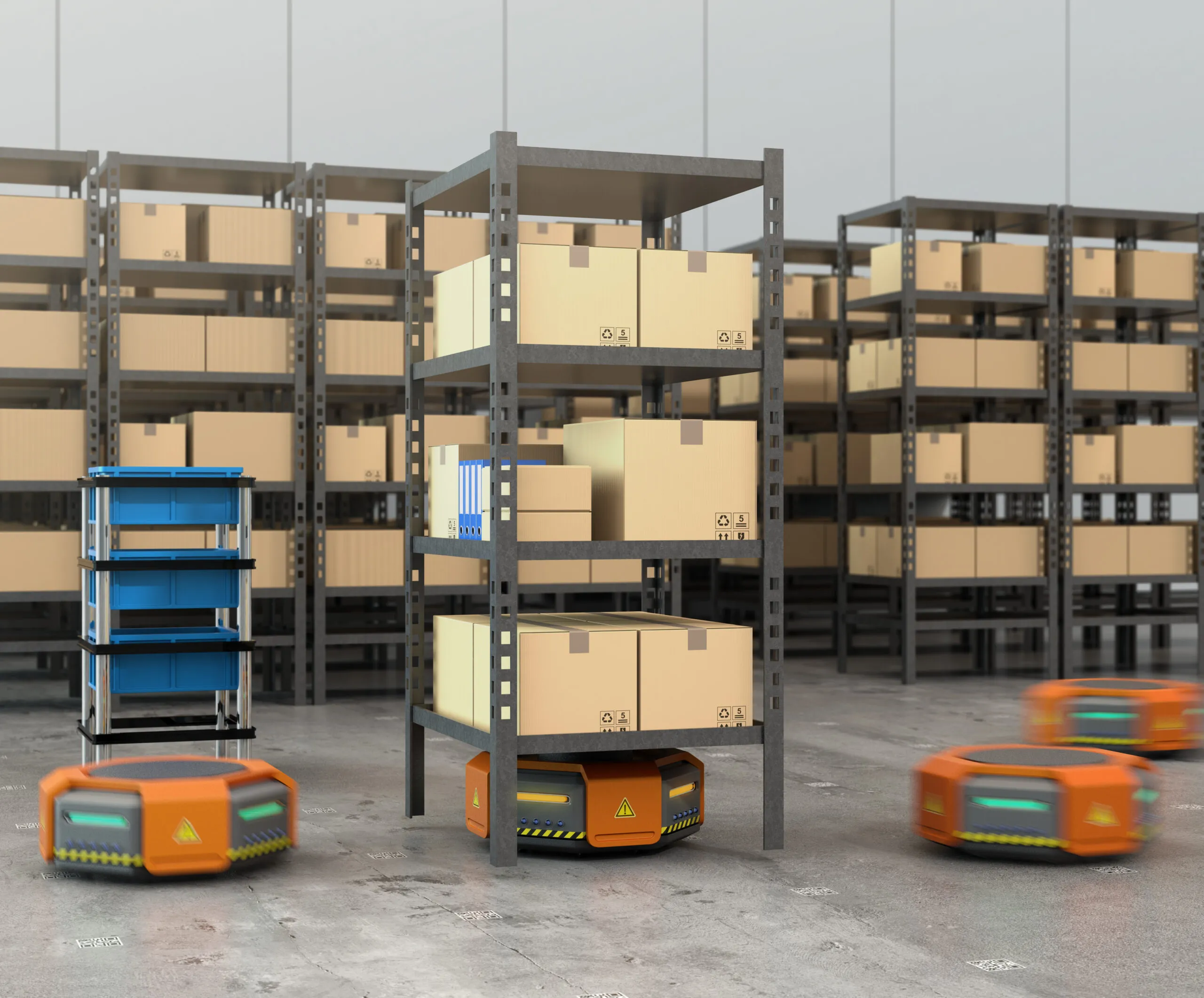
This dynamic field uses autonomous vehicles to transport goods flexibly throughout the warehouse floor.
Autonomous Mobile Robots (AMRs)
AMRs navigate dynamically using onboard sensors and maps, avoiding obstacles and optimizing routes in real-time. They are highly flexible and easily integrated into existing layouts.
Automated Guided Vehicles (AGVs)
AGVs follow predefined paths (wires, magnets, or painted lines) and are excellent for repetitive, point-to-point material movement, such as moving pallets from receiving to storage.
| Feature | Autonomous Mobile Robots (AMRs) | Automated Guided Vehicles (AGVs) |
|---|---|---|
| Navigation | Dynamic, using sensors & maps | Fixed, pre-defined paths |
| Flexibility | High; routes can be changed easily | Low; path changes require physical reconfiguration |
| Obstacle Response | Stops or reroutes autonomously | Stops and requires intervention |
| Best For | Dynamic environments, evolving workflows | Stable, repetitive transport tasks |
3. Sortation and Conveyance Systems
These systems automatically identify, direct, and route items on conveyors to their correct destinations, crucial for order consolidation and shipping.
Key Technologies:
- Cross-belt Sorters: Items are placed on individual, perpendicular belts that discharge them at the correct chute.
- Push Tray Sorters: Use trays that tilt to slide items off at the right location.
- Scanning and Weighing Systems: Integrated sensors identify and weigh parcels in motion for accurate sorting.
4. Pick-and-Place & Robotic Manipulation
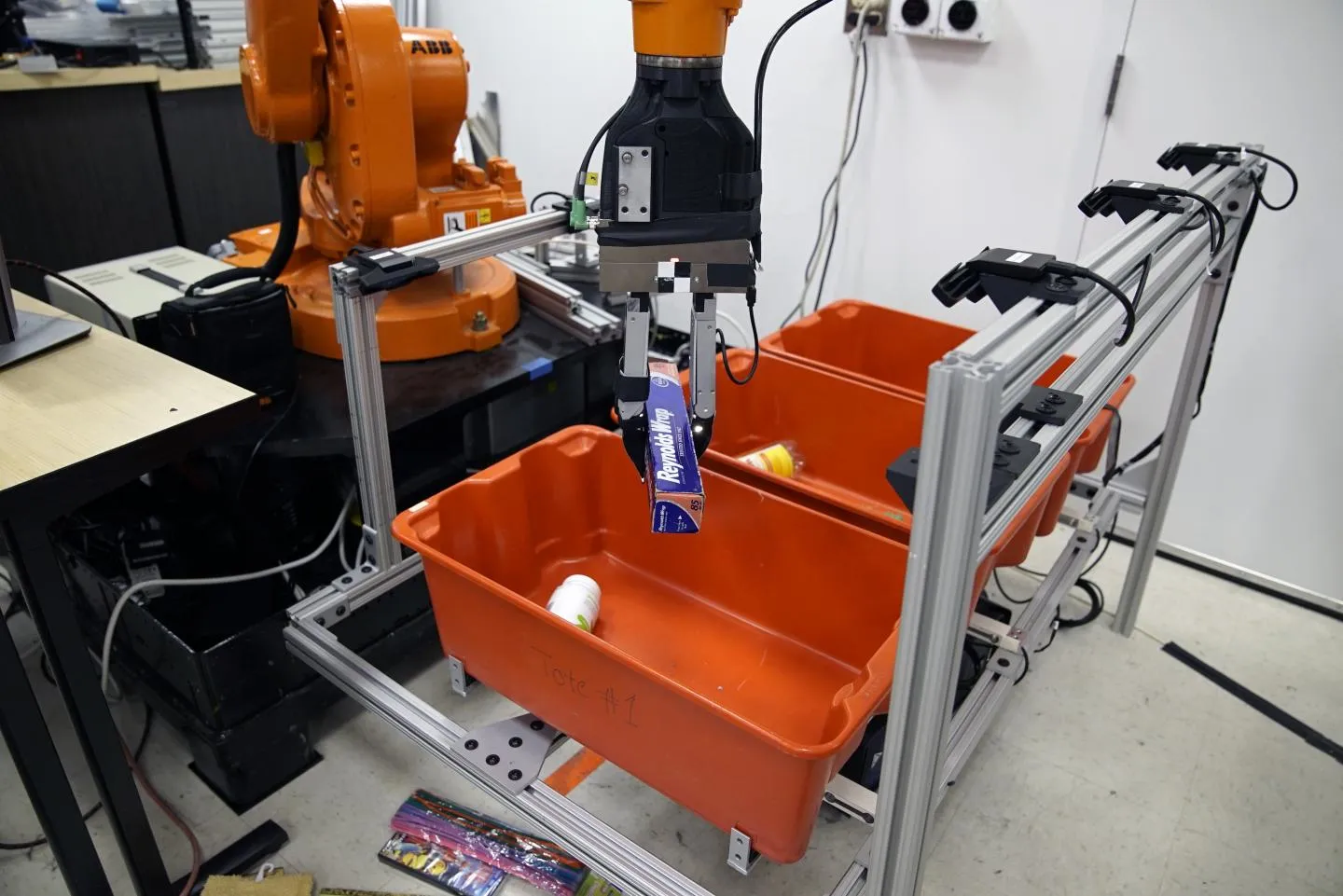
This involves robots that physically handle individual items, mimicking human arm movement for tasks like picking, packing, and palletizing.
Robotic Piece Picking
Equipped with advanced vision systems and suction or gripper end-effectors, these robots can identify and pick single items from bins or conveyors, handling a wide variety of shapes and sizes.
Robotic Palletizers/Depalletizers
Automate the loading and unloading of pallets, forming stable layers of cases or bags according to precise patterns, which reduces physical strain and increases speed.
5. Software and Integration: The "Invisible" Automation
The brain behind all physical automation is a suite of software systems that orchestrate operations.
Warehouse Management System (WMS) & Warehouse Execution System (WES)
While a WMS manages overall warehouse operations (inventory, receiving, shipping), a WES acts as a real-time traffic controller for automated equipment, optimizing task prioritization and resource allocation.
| Automation Type | Primary Function | Key Benefits | Typical Use Case |
|---|---|---|---|
| AS/RS | High-density storage/retrieval | Space savings, accuracy, speed | Cold storage, manufacturing buffer |
| AMRs/AGVs | Material transport | Labor savings, flexibility (AMRs), reliability | Goods-to-person, pallet movement |
| Sortation Systems | Diverting items to destinations | High-speed order consolidation | Parcel distribution, e-commerce fulfillment |
| Robotic Picking | Handling individual items | 24/7 operation, addresses labor shortages | Single-item order fulfillment |
| WES/WMS | Workflow orchestration | Optimized throughput, real-time visibility | Integrating mixed automation fleets |
Conclusion
Warehouse automation is not a one-size-fits-all solution but a spectrum of technologies that can be mixed and matched to meet specific operational needs. From GTP systems and mobile robots to intelligent software, each type plays a vital role in building a resilient, efficient, and competitive supply chain. The future lies in the seamless integration of these systems, creating fully automated, lights-out warehouses that can adapt to the ever-growing demands of global commerce.
Summary: Implementing the right mix of warehouse automation—from AS/RS and mobile robots to sortation systems and AI-driven software—is key to achieving significant gains in operational efficiency, accuracy, and scalability in modern logistics.