

The Rise of Food Industry Automation Companies: Revolutionizing Production
The global food industry is undergoing a profound transformation, driven by the urgent need for greater efficiency, stringent safety standards, and scalable production to meet the demands of a growing population. At the heart of this revolution are specialized food industry automation companies. These firms design, integrate, and maintain sophisticated systems—from robotic arms and AI-driven vision systems to complete smart factory solutions—that are redefining how food is processed, packaged, and delivered. This shift is not merely about replacing manual labor; it's about creating intelligent, responsive, and resilient production ecosystems that ensure consistency, reduce waste, and enhance traceability from farm to fork.
Core Technologies Driving Automation in Food Manufacturing
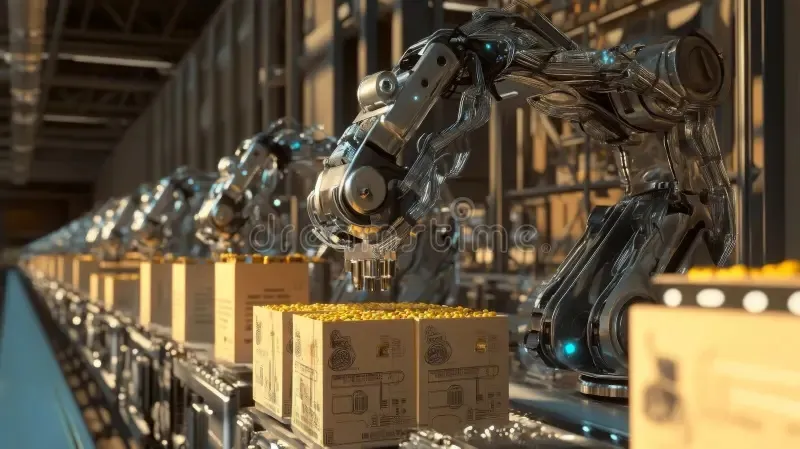
Automation companies leverage a suite of advanced technologies to address the unique challenges of food production, such as variability in raw materials, hygiene requirements, and rapid throughput needs.
Robotics and Collaborative Robots (Cobots)
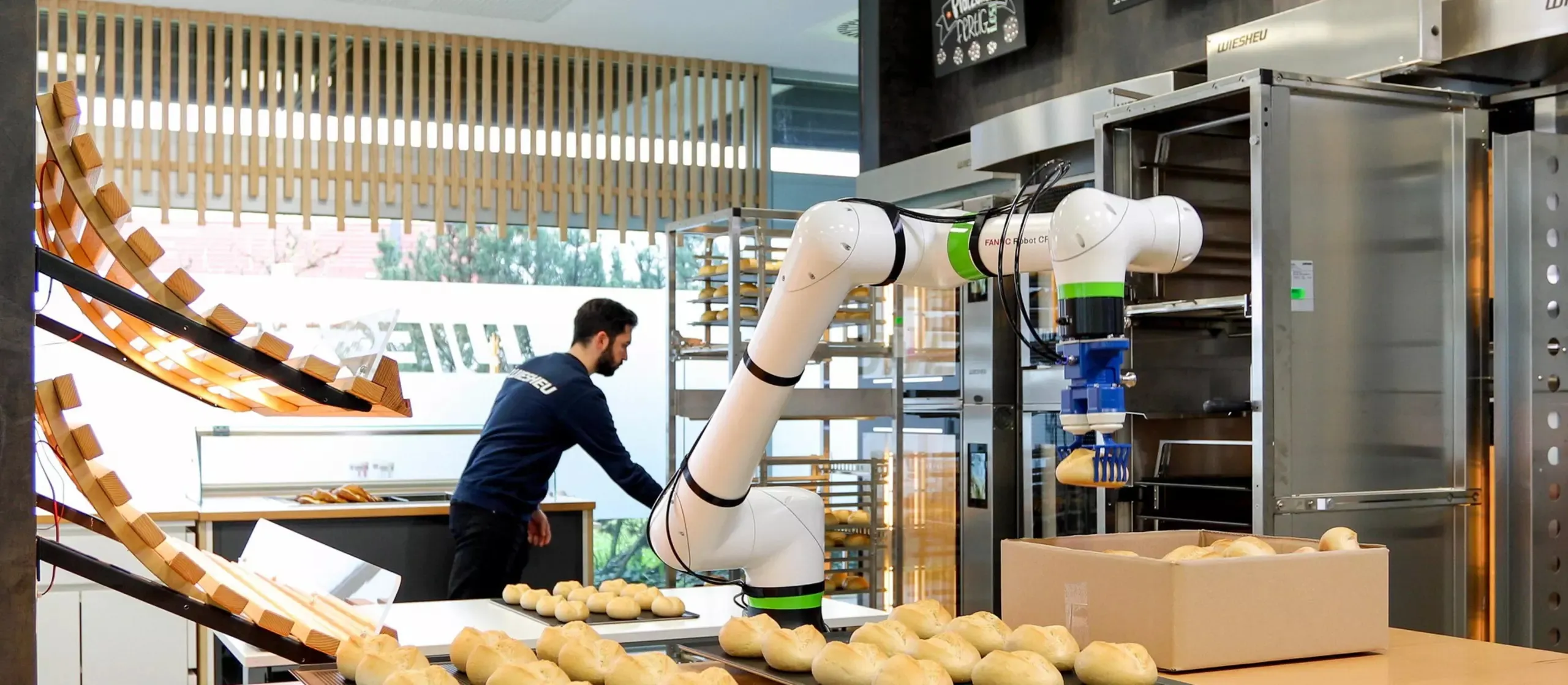
Robotic systems are now ubiquitous in tasks like high-speed picking, palletizing, and precision cutting. Unlike traditional industrial robots, collaborative robots (cobots) are designed to work safely alongside human operators. They are increasingly used for delicate tasks like assembling prepared meals or handling irregularly shaped products like fruits and vegetables, where human dexterity is still valuable but can be augmented for efficiency and ergonomics.
Artificial Intelligence and Machine Vision
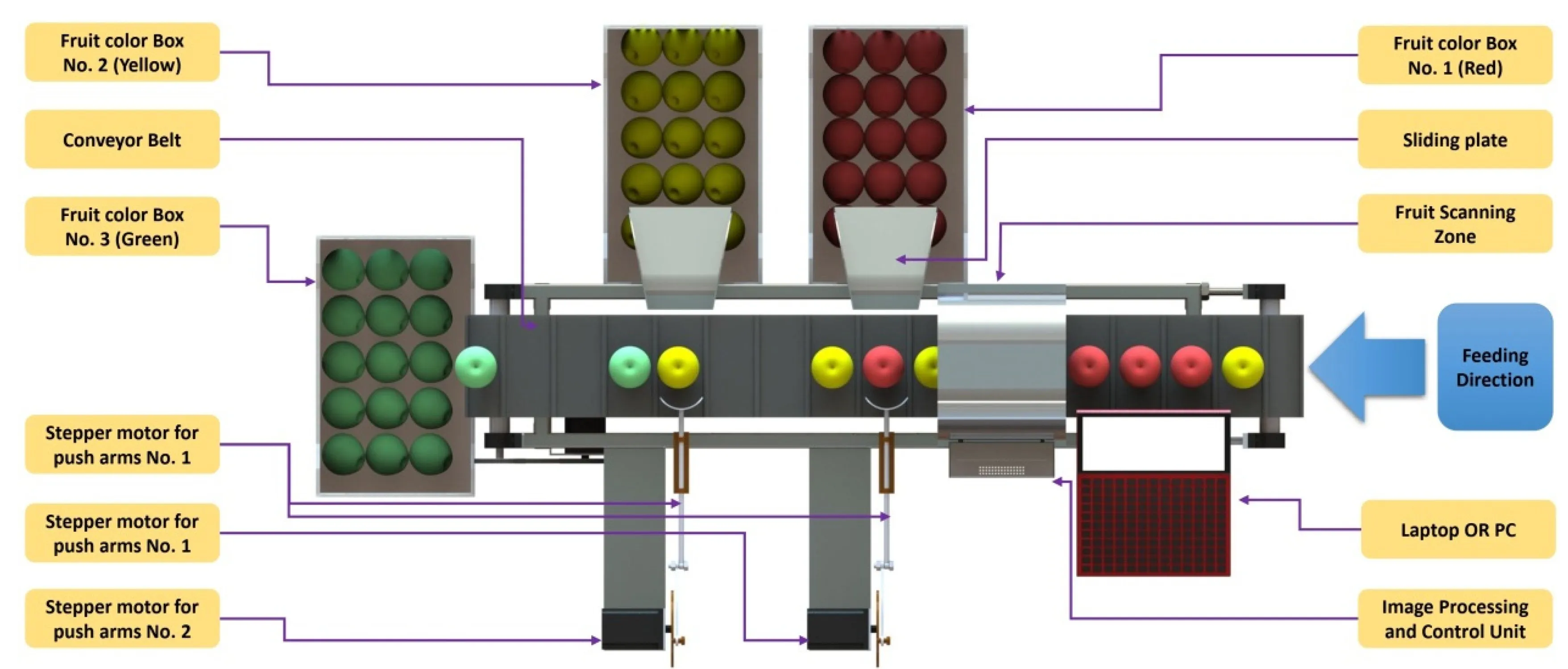
AI and advanced machine vision systems act as the "eyes and brain" of automated lines. They perform real-time quality inspection, detecting defects, ensuring proper portioning, and verifying packaging integrity at speeds impossible for humans. Machine learning algorithms can also predict equipment failures (predictive maintenance) and optimize production schedules based on demand forecasts.
Internet of Things (IoT) and Smart Sensors
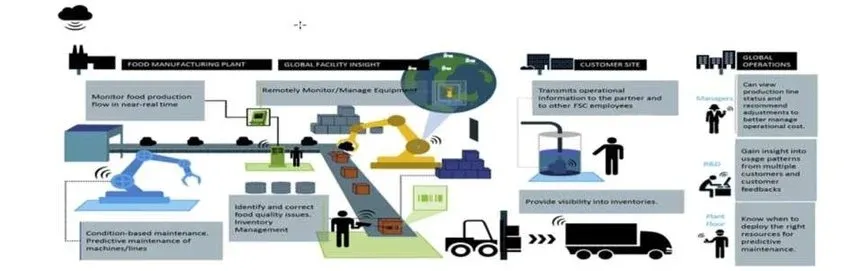
IoT networks connect machines, sensors, and control systems across the factory floor. Smart sensors monitor critical parameters like temperature, humidity, viscosity, and fill levels, enabling precise process control. This continuous data stream allows for real-time adjustments, ensuring product consistency and compliance with food safety regulations.
Key Benefits Implemented by Automation Firms
The integration of these technologies by expert automation partners delivers tangible, multi-faceted benefits to food producers.
| Area of Impact | Key Benefits | Example Technologies |
|---|---|---|
| Safety & Hygiene | Reduced human contact with food, consistent sanitation protocols, improved worker safety in hazardous tasks. | Sanitary-design robots, CIP (Clean-in-Place) systems, automated washing stations. |
| Efficiency & Yield | Higher throughput, reduced downtime, minimized product waste through precise handling and cutting. | High-speed sorters, precision cutting robots, predictive maintenance software. |
| Traceability & Compliance | End-to-end digital tracking of ingredients and batches, automated data logging for regulatory compliance. | IoT track-and-trace systems, blockchain-integrated platforms, MES (Manufacturing Execution Systems). |
| Scalability & Flexibility | Easier scaling of production, quick changeovers between product lines to meet market trends. | Modular automation cells, programmable logic controllers (PLCs), agile cobot stations. |
Leading Trends and Future Outlook
Food industry automation companies are continuously innovating. Key trends shaping the future include the development of hyper-flexible micro-factories for localized production, the use of digital twins to simulate and optimize processes before physical implementation, and the integration of AI for recipe and product development. Furthermore, automation is expanding beyond processing into areas like autonomous guided vehicles (AGVs) for warehouse logistics and drone technology for inventory management in vast storage facilities.
Sustainability and Waste Reduction
A major focus is on sustainability. Automated systems optimize energy and water usage and dramatically reduce food waste through precise processing and by facilitating the use of "imperfect" produce that might otherwise be discarded, thanks to intelligent grading systems.
Conclusion
Food industry automation companies are indispensable partners in building the future of food. By providing tailored, technologically advanced solutions, they empower manufacturers to achieve unprecedented levels of productivity, safety, and agility. As consumer expectations and global challenges evolve, the role of these automation specialists will only grow more critical, cementing automation not as a luxury, but as a fundamental pillar of a robust, responsive, and responsible food supply chain.