

The Evolution and Impact of Assembly Robots in Modern Manufacturing
In the landscape of modern manufacturing, assembly robots have emerged as pivotal players, transforming how products are built, from consumer electronics to automotive vehicles. These sophisticated machines, equipped with advanced sensors, precision actuators, and intelligent software, are redefining efficiency, accuracy, and scalability in industrial settings. Unlike traditional manual assembly, which is prone to human error and fatigue, robotic assembly offers consistent, high-speed performance, enabling companies to meet escalating global demands while maintaining stringent quality standards.
Core Technologies Driving Robotic Assembly
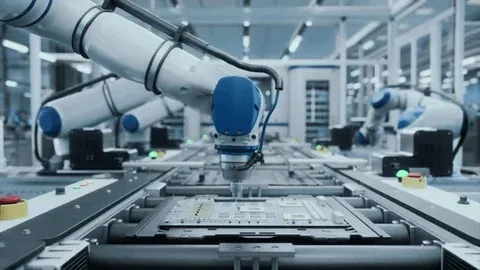
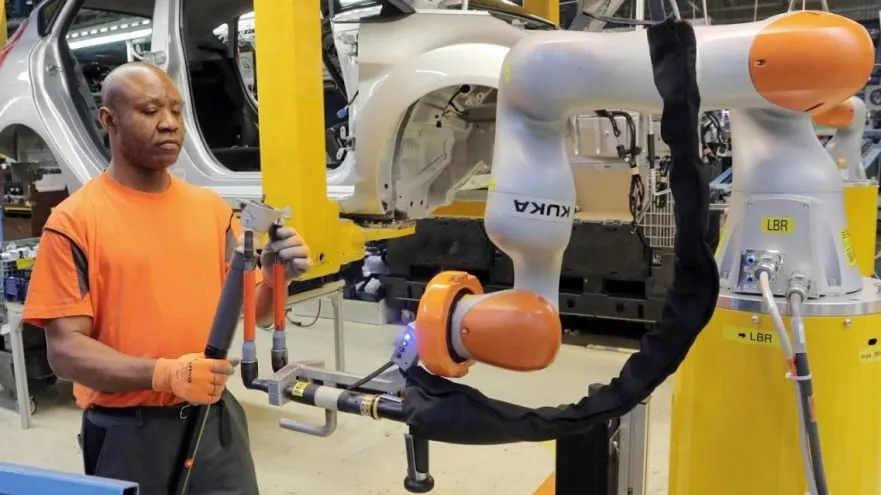
The effectiveness of assembly robots hinges on several key technologies. Vision systems, often integrated with high-resolution cameras and machine learning algorithms, allow robots to identify parts, detect defects, and adjust movements in real-time. Force-torque sensors provide a sense of touch, enabling delicate operations like inserting components without damage. Additionally, collaborative robots (cobots) are designed to work safely alongside human operators, blending automation with human expertise. These technologies collectively enhance flexibility, allowing a single robotic system to handle multiple tasks through quick reprogramming.
Precision and Repeatability
One of the foremost advantages of assembly robots is their unparalleled precision. Capable of repeating motions with micrometer-level accuracy, they ensure every product is assembled identically, minimizing variances that could lead to malfunctions. This is particularly crucial in industries such as aerospace and medical devices, where even minor deviations can have serious consequences.
Integration with IoT and AI
Modern assembly robots are increasingly connected within the Internet of Things (IoT) ecosystem. They collect vast amounts of operational data, which is analyzed by artificial intelligence (AI) to predict maintenance needs, optimize workflows, and reduce downtime. This smart integration fosters the development of fully autonomous "lights-out" factories that can operate continuously with minimal human intervention.
Applications Across Industries
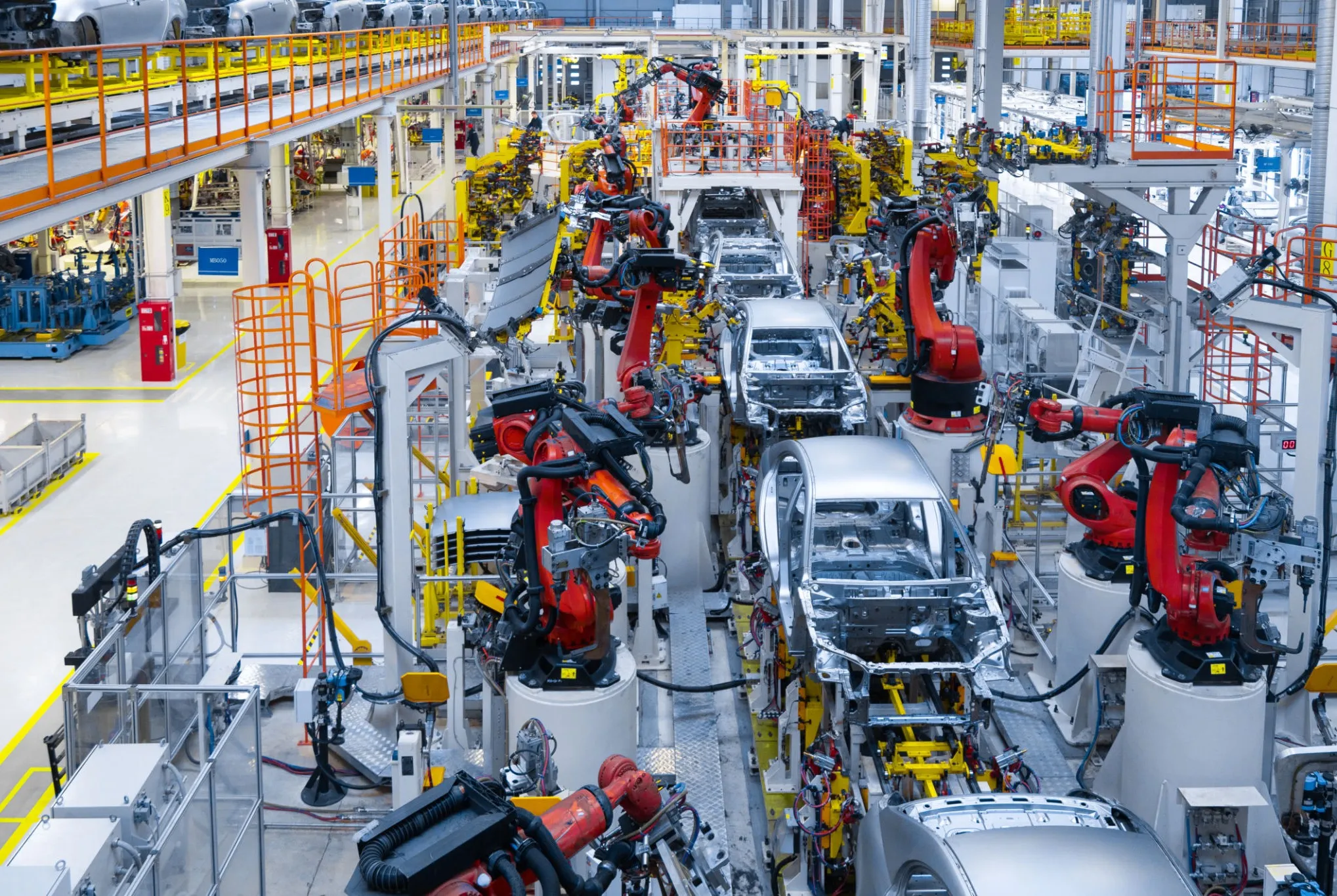
Assembly robots are versatile tools deployed across diverse sectors. In automotive manufacturing, they install engines, weld frames, and assemble intricate electrical systems. In electronics, they place microchips on circuit boards with extreme care. The food and beverage industry utilizes them for packaging and sorting, while pharmaceuticals rely on robots for sterile, precise handling of medications. This widespread adoption underscores their adaptability to various production requirements.
| Industry | Primary Application | Key Benefit | Typical Robot Type |
|---|---|---|---|
| Automotive | Engine installation, welding, painting | High speed and consistency | Articulated robots |
| Electronics | PCB assembly, component placement | Micro-scale precision | SCARA robots |
| Pharmaceuticals | Sorting, packaging, sterile handling | Contamination control | Delta robots |
| Consumer Goods | Product assembly, quality inspection | Flexibility for small batches | Collaborative robots (cobots) |
Economic and Operational Impacts
The deployment of assembly robots yields significant economic benefits. While the initial investment can be substantial, the long-term return on investment is compelling due to reduced labor costs, lower error rates, and increased output. Operationally, robots enhance workplace safety by taking over hazardous tasks, such as handling heavy materials or working in toxic environments. They also allow human workers to upskill, focusing on more complex, creative, and supervisory roles.
Challenges and Considerations
Despite their advantages, implementing assembly robots presents challenges. High upfront costs and the need for specialized programming can be barriers for small and medium-sized enterprises. Additionally, rapid technological obsolescence requires ongoing updates. There are also social implications, as automation can displace certain manual jobs, necessitating strategies for workforce transition and retraining.
Future Trends in Robotic Assembly
The future of assembly robots is geared toward greater autonomy and adaptability. Advances in AI will enable robots to learn from experience, making decisions in unstructured environments. Soft robotics, with flexible materials, will allow handling of fragile or irregularly shaped items. Moreover, the rise of 5G connectivity will facilitate real-time communication between robots across global supply chains, enhancing coordination and responsiveness.
In conclusion, assembly robots are not merely tools but transformative agents in manufacturing. They drive productivity, quality, and innovation, shaping the factories of tomorrow. As technology evolves, their role will expand, further blurring the lines between human and machine collaboration and paving the way for a new industrial era.