

The Aims and Objectives of Flexible Manufacturing Systems
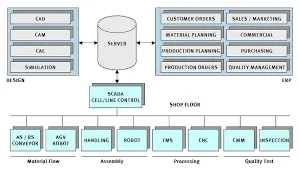
In the dynamic landscape of modern manufacturing, the quest for efficiency, adaptability, and competitiveness has led to the widespread adoption of Flexible Manufacturing Systems (FMS). An FMS is an integrated, computer-controlled configuration of automated material handling devices, numerically controlled (NC) machine tools, and other workstations designed to manufacture a variety of part families with minimal manual intervention. But what are the core aims that drive the implementation of such complex systems? This article delves into the fundamental objectives of FMS, exploring how they transform production paradigms.
Core Strategic Aims of Flexible Manufacturing Systems
The implementation of an FMS is a strategic decision aimed at addressing multiple challenges simultaneously. Its goals are interconnected, creating a synergistic effect that elevates the entire manufacturing operation.
1. To Achieve Maximum Production Flexibility and Responsiveness
This is the quintessential aim. FMS aims to handle part variety and design changes without major retooling or setup delays. The system can quickly switch from producing one component to another, allowing manufacturers to respond swiftly to market demands, custom orders, and evolving product designs. This flexibility encompasses machine, process, product, routing, and volume flexibility.
2. To Enhance Efficiency and Optimize Resource Utilization
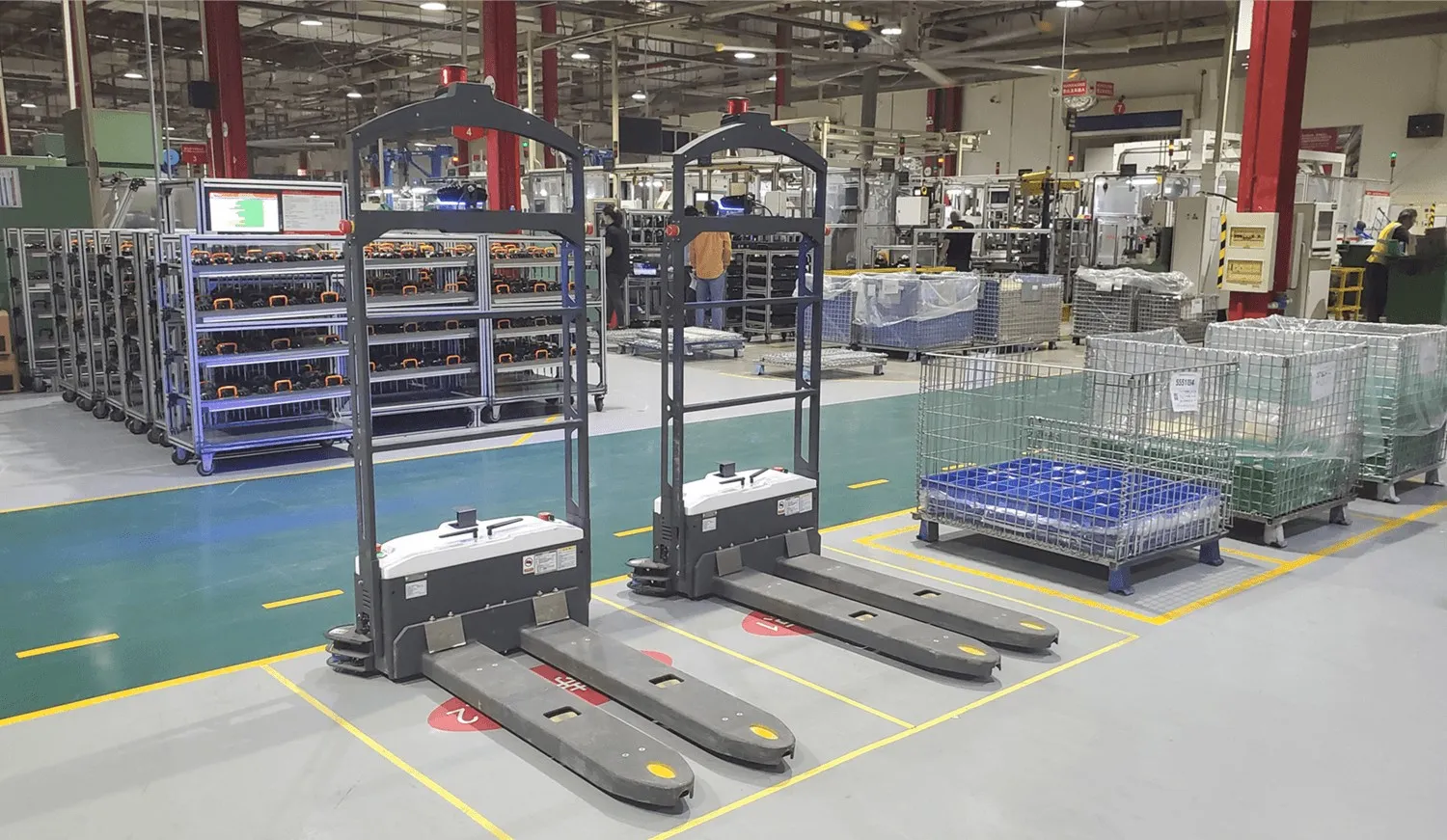
FMS aims to drastically reduce non-productive time. By automating material handling, tool changing, and part positioning, idle time for machines and pallets is minimized. The goal is to keep valuable capital equipment cutting metal as much as possible, leading to higher overall equipment effectiveness (OEE).
3. To Reduce Manufacturing Lead Times and Inventory Costs
By enabling smaller batch sizes and faster changeovers, FMS aims to slash the time from order release to finished product. This reduction in lead time directly correlates with lower work-in-progress (WIP) inventory. The system facilitates a just-in-time (JIT) production approach, freeing up capital and floor space tied up in stock.
4. To Improve Product Quality and Consistency
Automation reduces human error. FMS aims to produce parts with high repeatability and precision by using programmed instructions for every operation. Integrated inspection stations and real-time monitoring allow for immediate feedback and correction, ensuring consistent quality output.
Operational and Economic Objectives
Beyond the shop floor, FMS targets broader economic and operational benefits that impact the bottom line.
5. To Lower Direct Labor Costs and Mitigate Labor Shortages
While requiring skilled technicians for supervision and maintenance, FMS aims to reduce the reliance on manual labor for repetitive, hazardous, or precise tasks. This not only cuts costs but also provides a strategic buffer against skilled labor shortages.
6. To Increase System Reliability and Uptime
With built-in redundancy (e.g., multiple machines that can perform the same operation) and predictive maintenance capabilities, FMS aims to achieve high system availability. The goal is to prevent unplanned downtime, which is extremely costly in an automated environment.
| Primary Aim of FMS | Key Performance Indicator (KPI) | Typical Improvement Target |
|---|---|---|
| Production Flexibility | Changeover Time / Setup Time | Reduction of 70-90% |
| Resource Utilization | Overall Equipment Effectiveness (OEE) | Increase to >85% |
| Lead Time Reduction | Manufacturing Cycle Time | Reduction of 50-80% |
| Inventory Reduction | Work-in-Progress (WIP) Inventory Level | Reduction of 60-80% |
| Quality Improvement | First Pass Yield / Defect Rate | Defect Rate Reduction of 50-90% |
7. To Facilitate Integration with Higher-Level Systems
A modern FMS does not operate in isolation. It aims to be a seamlessly integrated node in a broader digital ecosystem, such as Enterprise Resource Planning (ERP) and Manufacturing Execution Systems (MES). This enables real-time data exchange for scheduling, order tracking, and performance analysis.

The Future-Oriented Aim: Enabling Agile and Smart Manufacturing
Ultimately, the overarching aim of Flexible Manufacturing Systems is to serve as the physical backbone for Industry 4.0. By generating vast amounts of operational data and possessing the inherent flexibility to act on it, FMS aims to create "smart factories" that are self-optimizing, adaptive to disruptions, and capable of mass customization at scale. It transforms manufacturing from a cost-centric, rigid activity into a strategic, agile, and customer-responsive capability.
In conclusion, Flexible Manufacturing Systems aim to be a comprehensive solution to the volatility of modern markets. They are engineered not just to perform tasks faster, but to make the entire manufacturing process smarter, more resilient, and strategically aligned with the demands of the future.