

Sustainability Advances in Plastic Molding Machinery
The plastic molding industry, long associated with significant environmental challenges, is undergoing a transformative shift toward sustainability. Driven by regulatory pressures, consumer demand for eco-friendly products, and corporate social responsibility goals, manufacturers of plastic molding machinery are pioneering innovative technologies that reduce energy consumption, minimize waste, and promote circular economy principles. This article explores the key advancements in injection molding, blow molding, and extrusion equipment that are setting new benchmarks for environmental stewardship in manufacturing.
Energy Efficiency and Electrification
A primary focus of sustainable innovation in plastic molding machinery is the drastic reduction of energy use. Traditional hydraulic machines, while powerful, are notorious for high energy consumption due to constant pump operation and heat generation. The industry's response has been the widespread adoption of all-electric and hybrid machines.
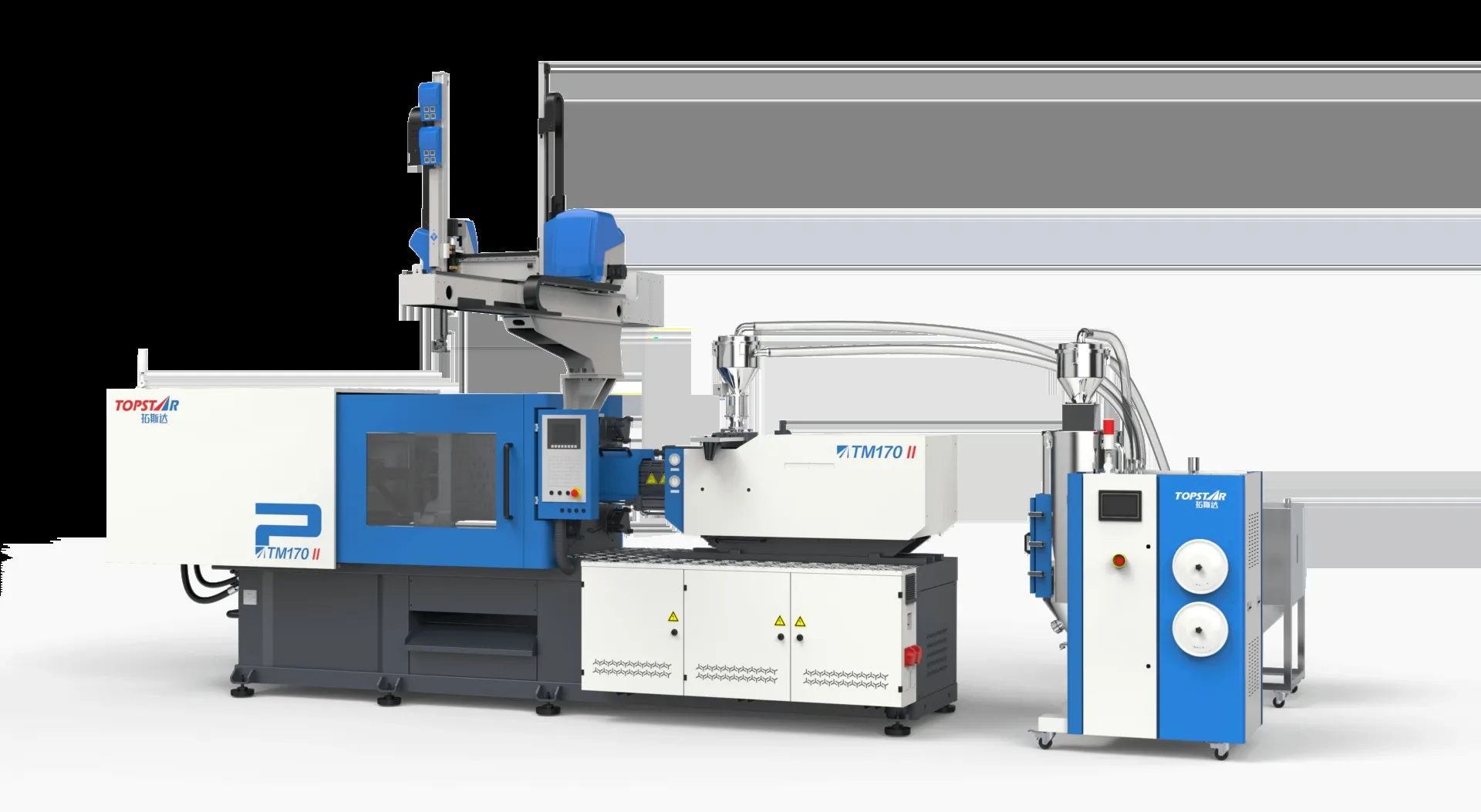
Figure 1: A modern all-electric injection molding machine.
All-electric machines utilize servo motors to drive each axis of the molding process—clamping, injection, and ejection. This targeted approach eliminates the energy losses inherent in hydraulic systems. Studies indicate that all-electric machines can achieve energy savings of 40-60% compared to their hydraulic counterparts. Furthermore, they offer superior precision, repeatability, and quieter operation, contributing to a better workplace environment.
Smart Energy Management Systems
Beyond the core drive technology, advanced energy management systems are now integral. These IoT-enabled systems monitor real-time energy consumption per cycle, identify inefficiencies, and can automatically adjust machine parameters for optimal energy use. This data-driven approach allows for continuous improvement and significant reductions in the carbon footprint of production runs.
Material Efficiency and Waste Reduction
Sustainability in molding is not just about energy; it's fundamentally about material stewardship. Machinery advancements are crucial in minimizing scrap and enabling the use of recycled and bio-based materials.
Precision Molding and Scrap Reduction
Modern machines equipped with high-precision servo drives and advanced process control software ensure more accurate shot volumes and consistent pressure profiles. This reduces over-packing, flash, and part weight variation, directly lowering material waste. Technologies like gas-assisted injection molding also contribute by creating hollow parts that use less material while maintaining strength.
| Machine Type | Typical Energy Savings* | Material Waste Reduction Potential | Compatibility with Recycled Resins |
|---|---|---|---|
| Traditional Hydraulic | Baseline (0%) | Low | Low-Moderate |
| Hybrid (Servo-Hydraulic) | 20-40% | Moderate | Moderate |
| All-Electric | 40-60% | High | High |
| *Savings are approximate and depend on application and cycle time. | |||
Machinery for the Circular Economy
Processing post-consumer recycled (PCR) content and biodegradable polymers presents unique challenges, such as inconsistent melt flow and thermal sensitivity. New machine designs address these with features like:
- Specialized screw and barrel designs that provide gentle, homogeneous melting for sensitive materials.
- Advanced filtration systems to remove contaminants from recycled flake.
- Enhanced venting systems to remove moisture and volatiles released from recycled content.
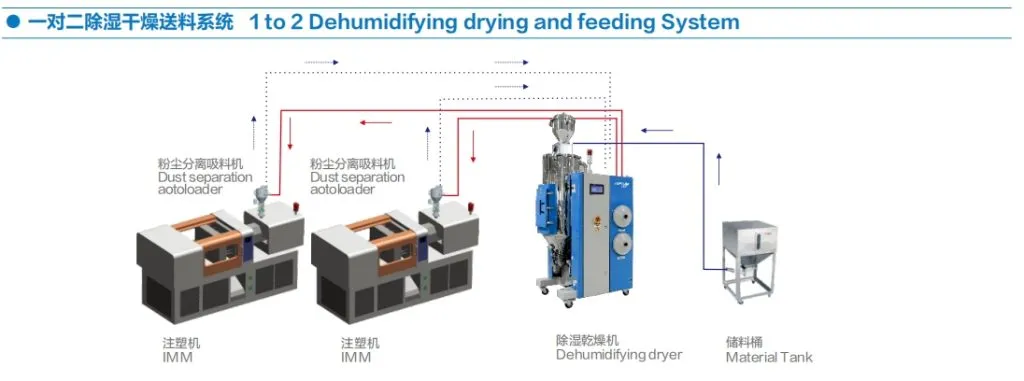
Figure 2: Integrated system for feeding and processing recycled plastic flakes.
Lifecycle Extension and Digitalization
Sustainability also encompasses the longevity and efficiency of the machinery itself. Predictive maintenance, enabled by digitalization, is a game-changer.
Predictive Maintenance and Industry 4.0
Sensors embedded in modern molding machines continuously collect data on component wear, lubrication levels, and system performance. AI algorithms analyze this data to predict failures before they occur, scheduling maintenance only when needed. This prevents unplanned downtime, extends machine lifespan, and avoids the waste associated with premature component replacement and catastrophic failures.
Challenges and Future Outlook
Despite remarkable progress, challenges remain. The higher initial capital cost of advanced sustainable machinery can be a barrier for small and medium-sized enterprises. Furthermore, the development of global standards for measuring and reporting the sustainability performance of molding machinery is still evolving.
The future will likely see greater integration of renewable energy sources directly into manufacturing cells, further advancements in closed-loop material processing within the factory, and the rise of "molding-as-a-service" models that optimize machine utilization across manufacturers.
In conclusion, the evolution of plastic molding machinery is central to the plastics industry's sustainable transformation. Through electrification, intelligent control, and designs that embrace circularity, these advanced machines are proving that high-volume manufacturing can align with environmental responsibility, paving the way for a greener future in plastics production.