

Pharmaceutical Packaging Machinery Manufacturers: Innovators in Safety and Efficiency
In the highly regulated and critically important pharmaceutical industry, the final step of packaging is far more than just placing products into boxes. It is a complex, precision-driven process that ensures drug efficacy, patient safety, and regulatory compliance. At the heart of this process are pharmaceutical packaging machinery manufacturers. These specialized engineering firms design, build, and supply the sophisticated automated systems that handle, fill, seal, label, and inspect every pill, vial, syringe, and blister pack that reaches consumers worldwide. Their work directly impacts public health, supply chain integrity, and the economic viability of pharmaceutical companies.
Core Responsibilities and Technological Innovations
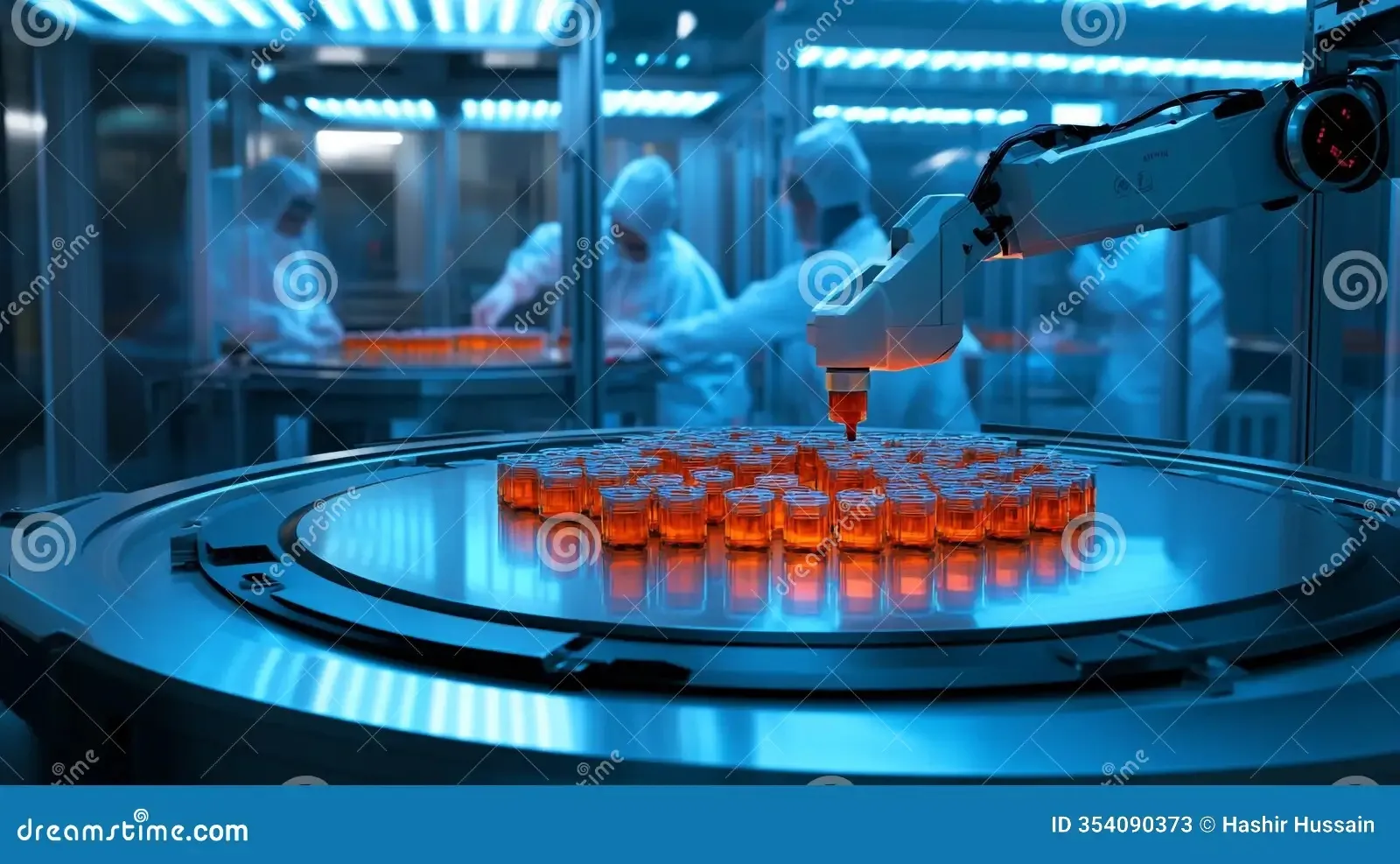
Manufacturers in this niche sector bear immense responsibility. Their machinery must operate with near-perfect accuracy under stringent hygienic conditions, often within controlled environments like cleanrooms. The core technological pillars they focus on include:
1. Precision and Accuracy
Dosing and filling operations require microscopic precision. Advanced machines use servo-driven technology and weight-check systems to ensure each unit contains the exact amount of product, be it a liquid, powder, or solid.
2. Safety and Contamination Control
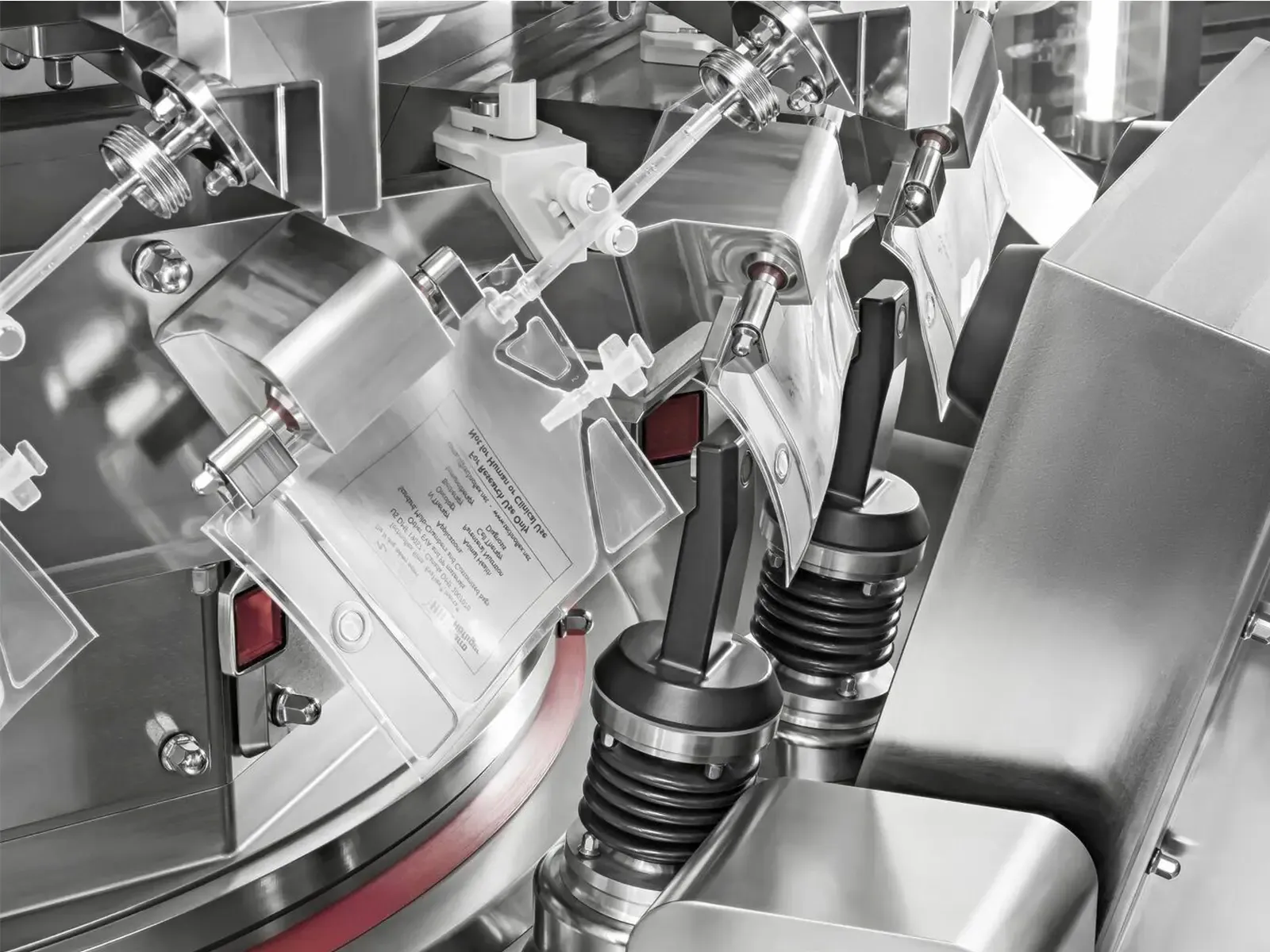
Machines are constructed with easy-to-clean, corrosion-resistant materials like stainless steel 316L. Designs minimize particle generation and often integrate isolator or Restricted Access Barrier System (RABS) technologies to protect the product from operator and environmental contamination.
3. Serialization and Track & Trace
Driven by global regulations (e.g., the U.S. DSCSA and EU FMD), modern packaging lines integrate complex serialization systems. Manufacturers build machinery that can apply unique serial numbers, 2D data matrix codes, and anti-tamper features to every saleable unit, enabling end-to-end supply chain visibility.
4. Flexibility and Changeover
With the rise of personalized medicine and smaller batch production, manufacturers are designing more flexible machines. Quick-change parts and recipe-driven software allow rapid switching between different product formats, reducing downtime.
5. Data Integrity and Industry 4.0
Contemporary packaging machines are data hubs. They collect vast amounts of Operational Equipment Effectiveness (OEE) data, perform statistical process control (SPC), and integrate with Manufacturing Execution Systems (MES) and the Industrial Internet of Things (IIoT) for predictive maintenance and optimized production scheduling.
Leading Market Segments and Machinery Types
The product portfolio of a pharmaceutical packaging machinery manufacturer is diverse, catering to various primary and secondary packaging needs.
| Packaging Stage | Machinery Type | Key Function |
|---|---|---|
| Primary Packaging | Liquid Fill & Seal Machines, Blister Packers, Tube Fillers, Vial/Syringe Fillers | Direct contact with the pharmaceutical product; ensures dosage accuracy and sterility. |
| Secondary Packaging | Cartoners, Case Packers, Bundlers, Multipackers | Groups primary packages into boxes or bundles; applies leaflets and outer labels. |
| Labeling & Serialization | Print & Apply Labelers, Vision Inspection Systems, Coding & Marking Lasers | Applies regulatory-compliant labels, serial numbers, and performs 100% inspection for correctness. |
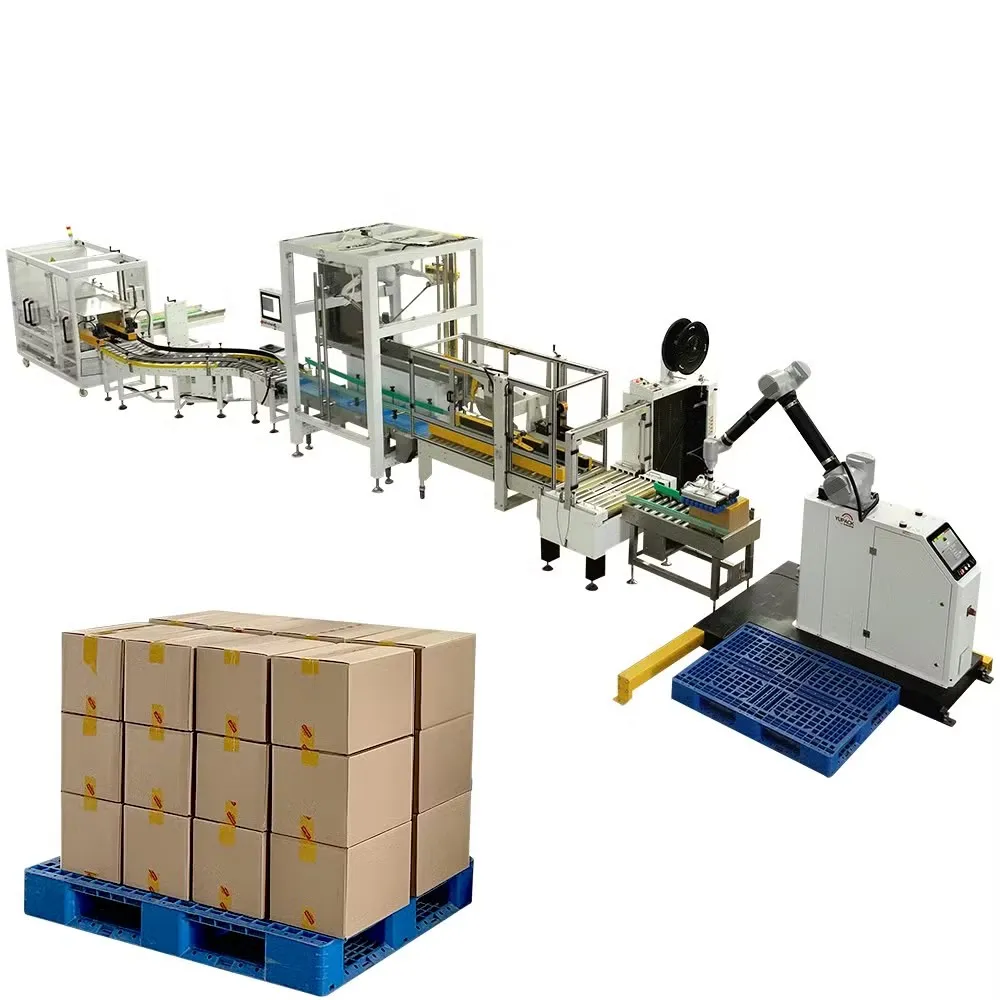
| End-of-Line | Palletizers, Robotic Pick-and-Place Systems, Shrink Wrappers | Prepares finished bundles for distribution and storage. |
Key Challenges Faced by Manufacturers
Navigating this sector involves overcoming significant hurdles. Regulatory compliance with standards from the FDA (21 CFR Part 11), EMA, and other bodies is non-negotiable and influences every design decision. The need for speed must be balanced with unwavering accuracy and safety. Furthermore, manufacturers must provide global service and support networks to minimize downtime for their clients, as a halted packaging line can cost hundreds of thousands of dollars per hour. Finally, the constant pressure to innovate while reducing the Total Cost of Ownership (TCO) for pharmaceutical companies defines competitive advantage.
The Future: Trends Shaping the Industry
The future of pharmaceutical packaging machinery is intelligent and sustainable. Key trends include:
- Advanced Robotics & Cobots: For delicate handling tasks and flexible, small-batch production.
- Artificial Intelligence (AI) in Vision Inspection: Moving beyond defect detection to predicting and classifying complex anomalies.
- Sustainable Packaging Solutions: Machinery adapted for recyclable materials and reduced packaging waste.
- Modular and Scalable Designs: Allowing pharmaceutical companies to easily expand or reconfigure lines.
- Digital Twins: Virtual simulations of packaging lines for optimization, training, and troubleshooting before physical implementation.

Conclusion
Pharmaceutical packaging machinery manufacturers are indispensable, albeit often unseen, partners in global healthcare. They translate the rigorous demands of pharmacopoeias and regulatory agencies into robust, reliable, and intelligent engineering solutions. By continuously advancing technology in automation, data management, and flexible design, they empower pharmaceutical companies to deliver safe, authentic, and effective medicines to patients efficiently. As the industry evolves towards more personalized and complex therapies, the innovation from these manufacturers will remain a critical enabler of progress and patient care.