

Pharma Packaging Machinery Market: Trends, Drivers, and Future Outlook
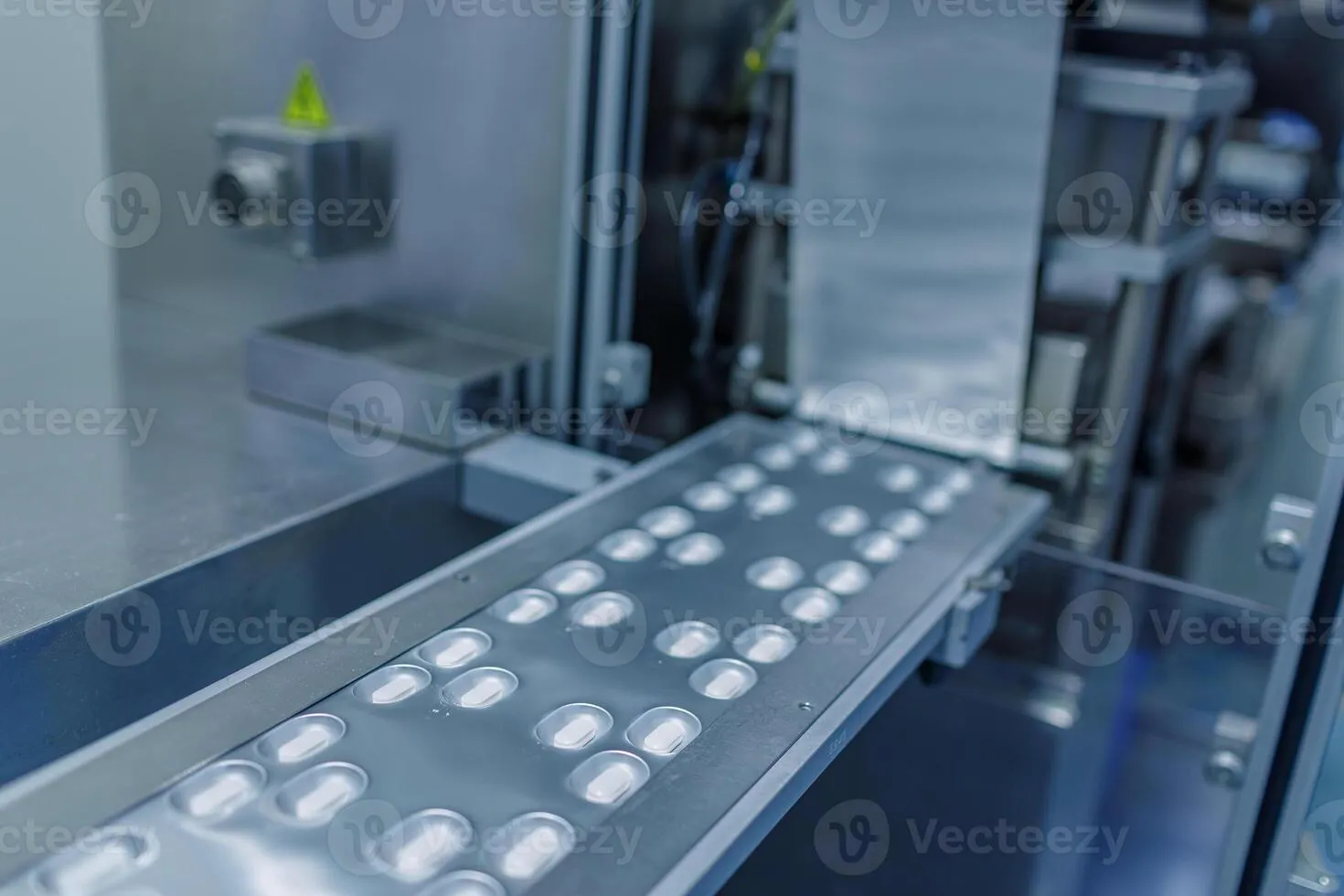
The pharmaceutical packaging machinery market is a critical and dynamic segment within the broader healthcare manufacturing industry. It encompasses a wide range of equipment designed to package pharmaceutical products safely, efficiently, and in compliance with stringent global regulations. From blister packing and cartoning to labeling and serialization, this machinery forms the backbone of drug production lines, ensuring product integrity, patient safety, and supply chain security. Driven by rising drug consumption, technological innovation, and an unwavering focus on regulatory compliance, this market is on a steady growth trajectory.
Key Market Drivers and Trends
Several powerful forces are shaping the demand and innovation within the pharma packaging machinery sector.
1. Stringent Regulatory Mandates
Regulations like the U.S. FDA's Drug Supply Chain Security Act (DSCSA) and the EU's Falsified Medicines Directive (FMD) have made serialization and aggregation mandatory. This requires machinery capable of printing unique identifiers, 2D data matrix codes, and aggregating product data from unit-level to case-level, driving significant investment in advanced labeling, vision inspection, and track-and-trace systems.
2. Growth in Biologics and Specialty Drugs
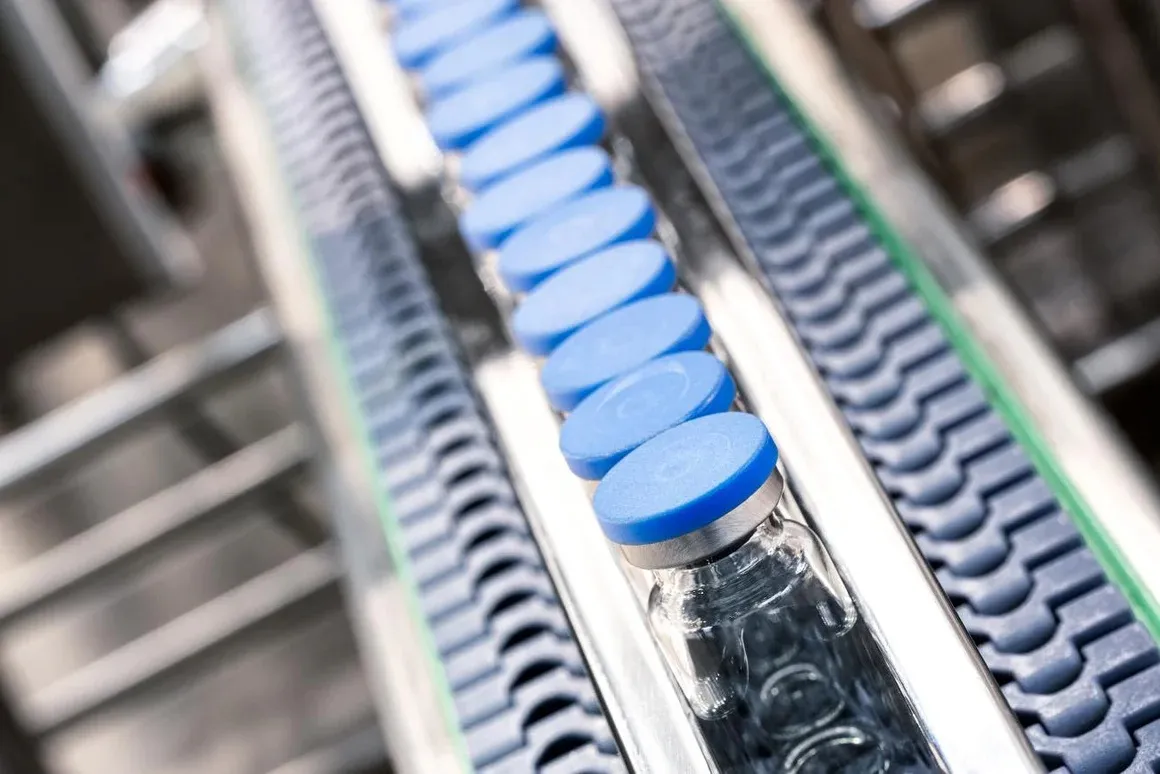
The rise of complex therapies, including biologics, injectables, and personalized medicines, demands specialized packaging solutions. This has increased the need for aseptic filling machines, lyophilization stopper placement systems, and sensitive handling equipment for pre-filled syringes and vials, pushing machinery manufacturers to develop more precise and sterile technologies.
3. Demand for Flexibility and Sustainability
Manufacturers seek machinery that offers quick changeovers to handle smaller batch sizes and diverse product portfolios (e.g., from tablets to liquid sachets). Concurrently, the push for sustainable packaging is leading to the development of equipment that can handle recyclable materials, reduce waste, and optimize energy consumption.
4. Integration of Industry 4.0 and IoT
The adoption of smart technologies is revolutionizing the market. Modern packaging machines are equipped with sensors and connectivity for real-time monitoring, predictive maintenance, and data analytics. This integration enhances Overall Equipment Effectiveness (OEE), minimizes downtime, and facilitates seamless data exchange within paperless, compliant environments.
Market Segmentation Analysis
The pharma packaging machinery market can be segmented by machine type, packaging type, and geography, each revealing distinct dynamics.
| Machine Type | Key Function | Estimated Market Share | Growth Driver |
|---|---|---|---|
| Filling & Sealing Machines | Accurate dosing and closure of liquids, powders, tablets into containers. | ~25% | Rise in liquid and injectable drug formulations. |
| Blister Packaging Machines | Forming, filling, and sealing unit-dose packs for tablets/capsules. | ~20% | High volume of solid oral dosage forms and patient compliance benefits. |
| Cartoning Machines | Erecting, loading, and closing secondary cartons. | ~15% | Need for serialization and inclusion of patient leaflets. |
| Labeling & Serialization Machines | Applying labels and printing unique serial codes for track & trace. | ~18% | Global regulatory compliance requirements. |
| Inspection & Checkweighing Machines | Ensuring fill weight, label accuracy, and detecting defects. | ~12% | Zero-defect mandates and quality assurance standards. |
Regional Market Outlook
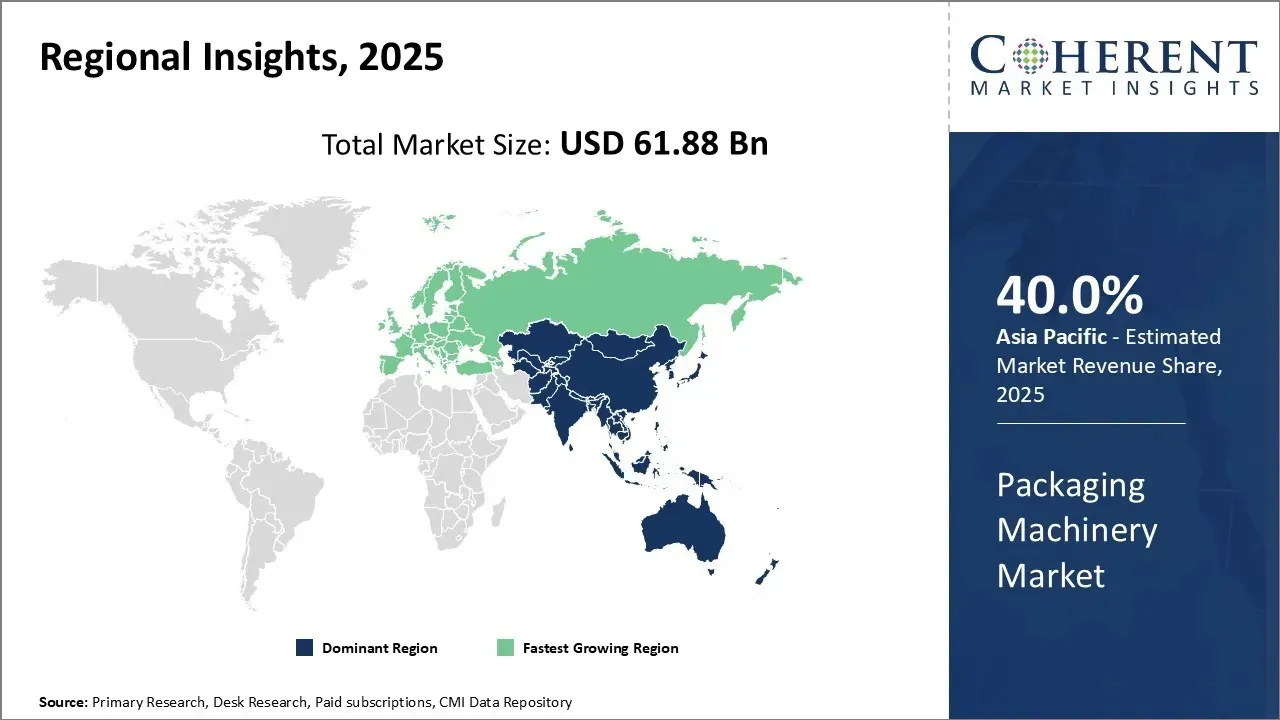
Geographically, the market exhibits varied growth patterns influenced by pharmaceutical production hubs, regulatory landscapes, and healthcare expenditure.
North America and Europe
These are mature markets characterized by strict regulatory enforcement, high adoption of advanced technologies, and a strong presence of major pharmaceutical companies. They are leaders in implementing serialization and investing in high-end, automated systems.
Asia-Pacific
This region is the fastest-growing market, fueled by expanding pharmaceutical manufacturing in India and China, rising healthcare access, and increasing government focus on quality standards. Demand is high for both high-speed lines and cost-effective, versatile machinery.
Challenges and Future Prospects
Despite robust growth, the market faces challenges such as the high capital investment required for advanced machinery, the need for skilled operators, and the complexity of integrating new systems into existing lines. However, the future is promising. The continued focus on patient-centric packaging (e.g., smart packaging with adherence monitoring), the expansion of contract manufacturing organizations (CMOs), and the relentless pace of digitalization will create sustained demand. Manufacturers who offer modular, connected, and compliant solutions will be best positioned to lead in this evolving and essential market.