

Key Technologies Driving Flexible Manufacturing Systems Forward
Flexible Manufacturing Systems (FMS) represent one of the most significant advancements in modern industrial production, enabling manufacturers to adapt quickly to changing market demands, product variations, and production requirements. The evolution of FMS has been accelerated by several groundbreaking technologies that have transformed traditional manufacturing paradigms into dynamic, responsive, and intelligent production environments.
Industrial Internet of Things (IIoT) and Connectivity
The Industrial Internet of Things has emerged as a foundational technology for modern FMS, creating interconnected ecosystems where machines, sensors, and control systems communicate seamlessly. IIoT enables real-time data collection from production equipment, environmental sensors, and quality control systems, providing unprecedented visibility into manufacturing operations.
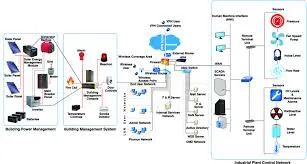
Key IIoT applications in FMS include predictive maintenance, where sensors monitor equipment conditions and alert operators to potential failures before they occur. This proactive approach significantly reduces downtime and maintenance costs. Additionally, IIoT enables remote monitoring and control of manufacturing processes, allowing operators to manage production from anywhere while ensuring optimal performance.
Edge Computing in Manufacturing
Complementing IIoT, edge computing processes data closer to the source, reducing latency and enabling faster decision-making. In FMS, edge devices can analyze production data in real-time, making immediate adjustments to optimize manufacturing parameters without waiting for cloud-based processing.
Artificial Intelligence and Machine Learning
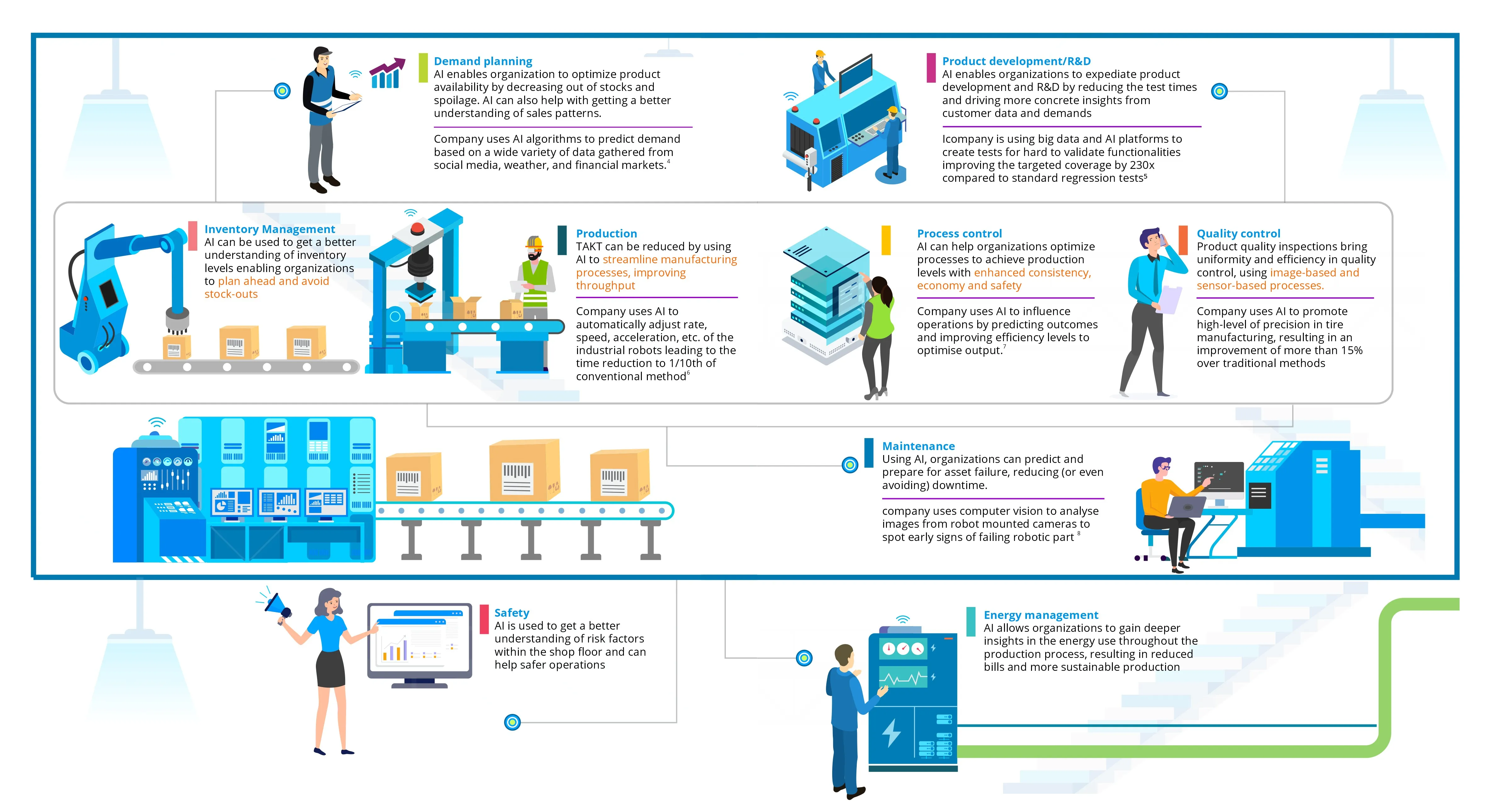
AI and ML technologies have revolutionized FMS by introducing intelligent decision-making capabilities that were previously impossible. These technologies analyze vast amounts of production data to identify patterns, optimize processes, and predict outcomes with remarkable accuracy.
Predictive Quality Control
Machine learning algorithms can predict product quality issues before they occur by analyzing historical production data and real-time sensor readings. This enables manufacturers to make preemptive adjustments to maintain quality standards and reduce waste.
Intelligent Scheduling and Routing
AI-powered scheduling systems dynamically allocate resources and sequence production orders based on multiple constraints, including machine availability, material supply, and delivery deadlines. These systems continuously learn from production outcomes to improve scheduling accuracy over time.
| Application Area | Technology Used | Benefits | Implementation Complexity |
|---|---|---|---|
| Predictive Maintenance | Machine Learning, Sensor Analytics | Reduced downtime, Lower maintenance costs | Medium |
| Quality Prediction | Deep Learning, Computer Vision | Improved quality, Reduced waste | High |
| Dynamic Scheduling | Reinforcement Learning, Optimization Algorithms | Increased throughput, Better resource utilization | High |
| Anomaly Detection | Unsupervised Learning, Pattern Recognition | Early problem identification, Process stability | Medium |
Advanced Robotics and Automation
Modern robotics have evolved significantly from their rigid, programmed predecessors. Today's industrial robots feature enhanced flexibility, adaptability, and intelligence that make them ideal for FMS applications.
Collaborative Robots (Cobots)
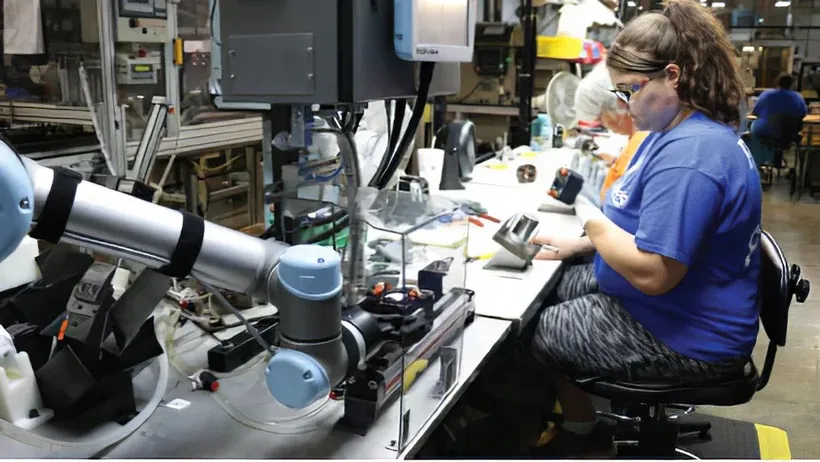
Cobots represent a major advancement in manufacturing robotics, designed to work safely alongside human operators. These robots can be quickly reprogrammed for different tasks and easily integrated into existing production lines, making them perfect for flexible manufacturing environments where production requirements change frequently.
Mobile Robotics and AGVs
Autonomous Guided Vehicles (AGVs) and mobile robots have transformed material handling within FMS. These systems can dynamically route materials between workstations, adapt to layout changes, and optimize material flow based on real-time production needs.
Additive Manufacturing and 3D Printing
Additive manufacturing technologies have introduced unprecedented flexibility in production capabilities, particularly for low-volume, high-complexity parts. In FMS, 3D printing enables rapid prototyping, tooling production, and even final part manufacturing without the need for extensive retooling.
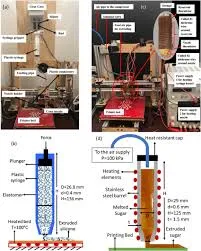
The integration of additive manufacturing with traditional subtractive processes creates hybrid manufacturing systems that can produce parts with complex geometries while maintaining the precision and surface quality of conventional machining.
Digital Twin Technology
Digital twins create virtual replicas of physical manufacturing systems, enabling simulation, testing, and optimization without disrupting actual production. This technology has become indispensable for designing, implementing, and operating FMS.
Virtual Commissioning and Testing
Before implementing changes to a physical FMS, manufacturers can test new configurations, processes, and control logic in the digital twin. This virtual commissioning reduces risks, shortens implementation time, and ensures that changes will perform as expected.
Continuous Optimization
Digital twins continuously compare simulated performance with actual production data, identifying opportunities for improvement and predicting the impact of potential changes. This creates a continuous optimization loop that drives ongoing efficiency gains.
| Implementation Phase | Key Benefits | Typical ROI Timeframe | Critical Success Factors |
|---|---|---|---|
| Design and Planning | Reduced design errors, Optimized layout | 6-12 months | Accurate data models, Cross-functional collaboration |
| Commissioning | Faster startup, Reduced downtime | 3-6 months | Real-time synchronization, Comprehensive testing |
| Operation | Predictive insights, Continuous improvement | Ongoing | Data quality, Regular model updates |
| Expansion/Modification | Risk reduction, Cost savings | Immediate | Scalable architecture, Change management |
Advanced Sensor Technology and Data Analytics
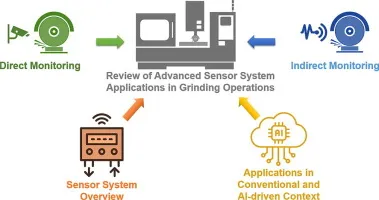
The proliferation of advanced sensors has enabled FMS to collect unprecedented amounts of data about every aspect of the manufacturing process. From vibration analysis and thermal imaging to vision systems and force sensing, modern sensors provide comprehensive monitoring capabilities.
Real-time Process Monitoring
Advanced sensors enable real-time monitoring of critical process parameters, allowing for immediate adjustments to maintain quality and efficiency. Vision systems, for example, can inspect parts at production speeds, identifying defects that would be invisible to human inspectors.
Big Data Analytics
The massive volumes of data generated by FMS require sophisticated analytics tools to extract meaningful insights. Big data platforms can process structured and unstructured data from multiple sources, identifying correlations and patterns that drive continuous improvement.
Cloud Computing and Manufacturing as a Service
Cloud platforms have democratized access to advanced manufacturing technologies, enabling smaller manufacturers to implement FMS capabilities that were previously available only to large enterprises with significant IT resources.
Scalable Computing Resources
Cloud computing provides scalable processing power for data-intensive applications like simulation, AI modeling, and real-time analytics. Manufacturers can access these resources on-demand, paying only for what they use.
Manufacturing Execution Systems (MES) in the Cloud
Cloud-based MES solutions provide comprehensive production management capabilities without the need for extensive on-premise infrastructure. These systems can be quickly deployed and scaled to meet changing production requirements.
Cybersecurity for Connected Manufacturing
As FMS become increasingly connected and data-driven, cybersecurity has emerged as a critical enabling technology. Protecting manufacturing systems from cyber threats is essential for maintaining operational continuity and protecting intellectual property.

Advanced security technologies including network segmentation, intrusion detection systems, and encrypted communications ensure that FMS can operate safely in connected environments while maintaining the flexibility that makes them valuable.
Conclusion: The Future of Flexible Manufacturing
The convergence of these technologies is creating manufacturing systems that are not just flexible, but truly adaptive and intelligent. Future FMS will likely feature even greater autonomy, with systems that can self-configure, self-optimize, and self-heal in response to changing conditions. As these technologies continue to evolve and mature, they will enable new levels of manufacturing efficiency, responsiveness, and customization that were previously unimaginable.
The successful implementation of FMS requires careful integration of these technologies, along with organizational changes and workforce development. Manufacturers who master this integration will gain significant competitive advantages in increasingly dynamic and demanding markets.