

Integrating Robotics with Packaging Automation Machinery
The packaging industry is undergoing a transformative shift, driven by the need for greater efficiency, flexibility, and precision. At the heart of this evolution is the strategic integration of robotics with traditional packaging automation machinery. This synergy is creating smarter, more adaptive production lines capable of meeting the demands of high-mix, low-volume production, e-commerce fulfillment, and stringent quality standards.
The Convergence of Robotics and Packaging Systems
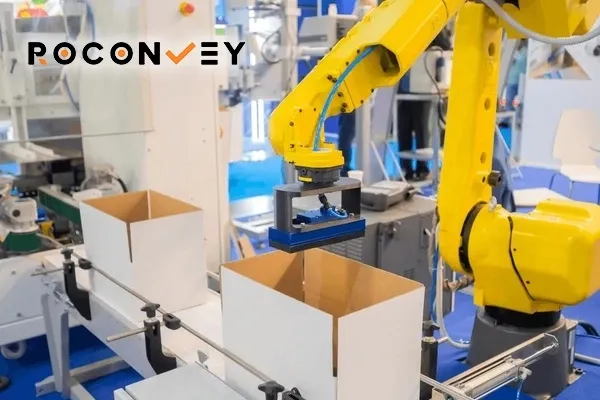
Modern packaging lines are no longer just sequences of dedicated machines. They are becoming interconnected ecosystems where robotic arms act as intelligent, flexible nodes. Robots are being deployed for a wide range of tasks, from primary packaging (pick-and-place, loading, sealing) to secondary packaging (case packing, palletizing, and depalletizing). Their integration with conveyors, vision systems, and programmable logic controllers (PLCs) creates a cohesive and responsive automation environment.
Key Technologies Enabling Integration
Successful integration hinges on several advanced technologies that allow robots and machinery to communicate and collaborate seamlessly.
1. Advanced Vision Guidance Systems
Machine vision cameras provide robots with "eyes." They can identify product orientation, inspect for defects, and guide precise placement, even when products are presented randomly on a conveyor. This is crucial for handling variable products and packaging.
2. Collaborative Robots (Cobots)
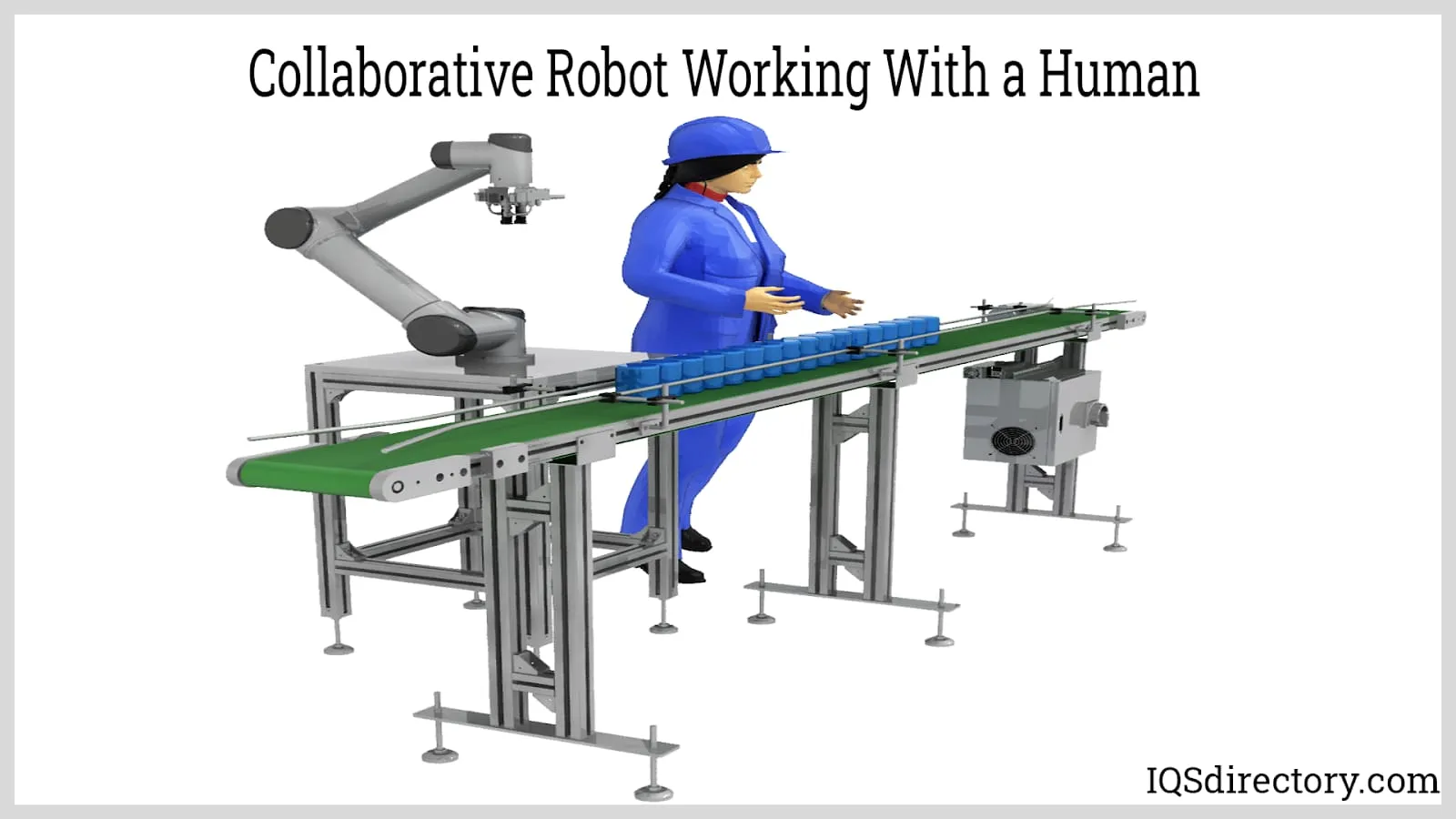
Cobots are designed to work safely alongside human operators without the need for extensive safety caging. Their ease of programming and redeployment makes them ideal for flexible packaging tasks, such as kitting, light assembly, or hand-off operations between machines.
3. Industrial Internet of Things (IIoT) and Data Analytics
IIoT sensors on both robots and packaging machines collect real-time data on performance, maintenance needs, and production metrics. This data is analyzed to optimize line speed, predict failures, and enable proactive maintenance, minimizing downtime.
4. Standardized Communication Protocols
Protocols like OPC UA, Ethernet/IP, and PROFINET ensure that robots from different manufacturers can communicate effectively with various packaging machines (fillers, cappers, labelers) and the central control system.
Major Benefits of Robotic Integration
The fusion of robotics with packaging machinery delivers significant competitive advantages.
| Benefit Area | Description | Impact |
|---|---|---|
| Enhanced Flexibility | Robots can be quickly reprogrammed and tooled for different products or package sizes. | Reduces changeover time from hours to minutes, enabling efficient small-batch production. |
| Increased Productivity | Robots operate continuously at consistent speeds, 24/7, with minimal downtime. | Boosts overall equipment effectiveness (OEE) and throughput. |
| Improved Quality and Consistency | Precision motion and vision systems ensure accurate placement and handling, reducing errors and waste. | Enhances product presentation and reduces costly rework or customer returns. |
| Optimized Floor Space | Robots, especially delta or SCARA types, can be mounted in tight spaces above or between machines. | Enables denser, more efficient production line layouts. |
| Labor Solution | Automates repetitive, physically demanding, or ergonomically challenging tasks. | Addresses labor shortages and allows human workers to focus on supervision and higher-value tasks. |
Implementation Strategies and Considerations
Integrating robotics requires careful planning. A successful implementation follows a structured approach.
1. Thorough Process Analysis
Identify the specific tasks best suited for robotics (e.g., irregular item picking, high-speed sorting). Analyze cycle times, payloads, and required precision.
2. Choosing the Right Robot Type
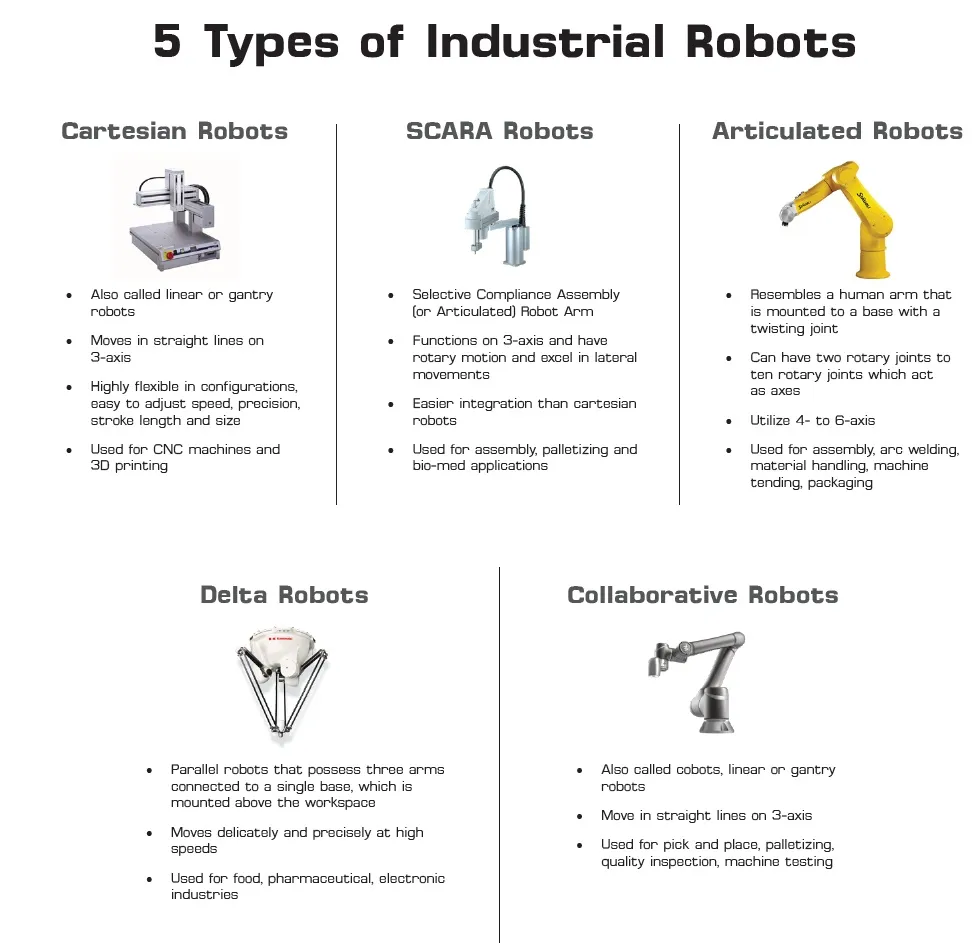
Select based on application needs:
- Articulated Arm: For complex, heavy-duty tasks like palletizing.
- Delta Robot: For ultra-high-speed pick-and-place of lightweight items.
- SCARA Robot: For fast, precise assembly and insertion tasks in a plane.
- Collaborative Robot (Cobot): For flexible, human-collaborative tasks.
3. System Integration and Safety
Work with experienced system integrators to ensure seamless communication between all components. Implement comprehensive safety systems, including light curtains, area scanners, and proper risk assessments, especially for traditional industrial robots.
4. Workforce Training and Change Management
Upskilling maintenance and operational staff to program, troubleshoot, and work alongside the new robotic systems is critical for long-term success and acceptance.
Future Trends
The future of robotic packaging integration is intelligent and autonomous. Trends include the increased use of Artificial Intelligence (AI) for predictive quality control and self-optimizing processes, mobile robots (AMRs) for material transportation between packaging stations, and even more advanced tactile sensing for handling delicate or irregular items. The line between robot and machine will continue to blur, leading to fully integrated, modular packaging cells.
In conclusion, the integration of robotics with packaging automation machinery is no longer a luxury but a necessity for modern manufacturing. It provides the agility, efficiency, and reliability required to thrive in today's dynamic market. By understanding the technologies, benefits, and implementation pathways, companies can strategically leverage this powerful combination to build resilient and future-ready packaging operations.