

Industrial Robotic Systems: Revolutionizing Modern Manufacturing
Industrial robotic systems have become fundamental components in modern manufacturing environments, revolutionizing production processes across numerous industries. These sophisticated automated systems combine mechanical engineering, electronics, and computer science to perform tasks with unprecedented precision, speed, and reliability.
Types of Industrial Robotic Systems
The diversity of industrial robotic systems allows manufacturers to select the most appropriate solution for their specific requirements. Each robot type offers unique advantages depending on the application and operational environment.
Articulated Robots
Articulated robots feature rotary joints and resemble human arms, typically offering between two to ten or more points of rotation. These versatile robots excel in applications requiring complex movements and precise positioning.
SCARA Robots
Selective Compliance Assembly Robot Arm (SCARA) robots provide high speed and precision in horizontal movements while maintaining rigidity in the vertical direction. They are particularly effective for assembly, packaging, and material handling tasks.
Delta Robots
Delta robots, also known as parallel robots, utilize three arms connected to universal joints at the base. These high-speed robots are ideal for pick-and-place operations in food processing, pharmaceuticals, and electronics manufacturing.
Key Applications of Industrial Robotic Systems
Industrial robotic systems have found applications across virtually every manufacturing sector, significantly enhancing productivity and quality while reducing operational costs.
Welding and Fabrication
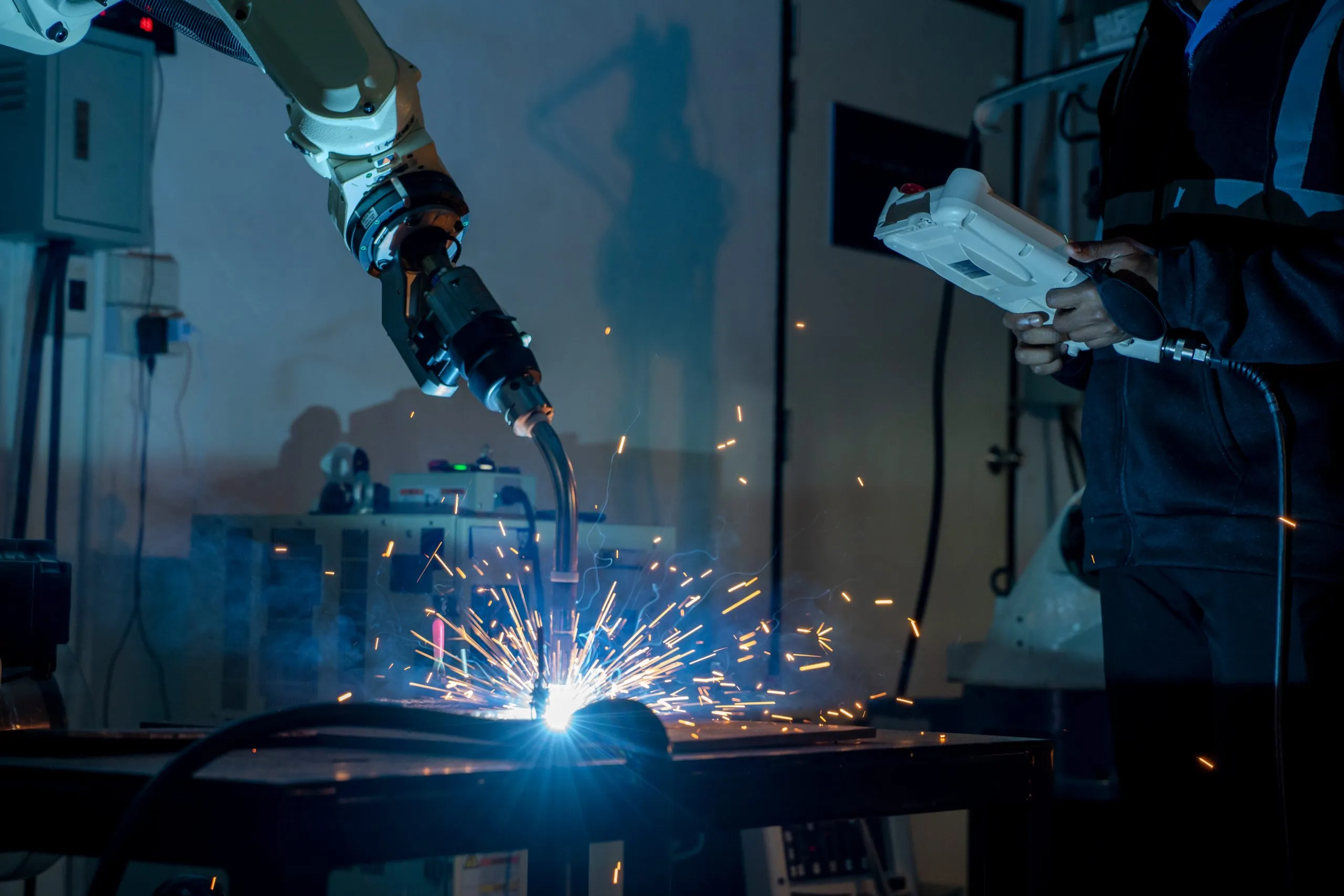
Robotic welding systems deliver consistent, high-quality welds while operating in hazardous environments that would be dangerous for human workers. These systems can perform arc welding, spot welding, and laser welding with exceptional precision.
Material Handling
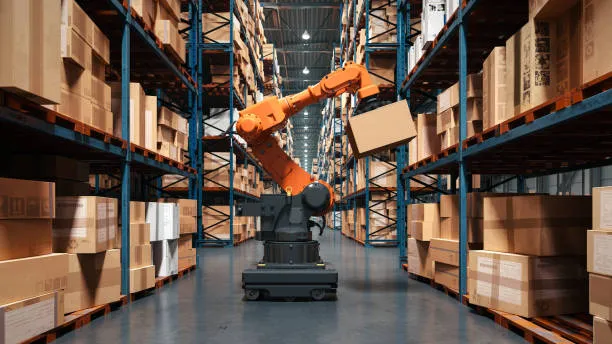
Material handling robots efficiently move, position, and orient products throughout manufacturing facilities. They can palletize, depalletize, load, and unload materials with speed and accuracy that far exceeds human capabilities.
Assembly Operations
Robotic assembly systems consistently perform repetitive tasks with micron-level precision, significantly reducing errors and increasing production rates. These systems are particularly valuable in electronics and automotive manufacturing.
Painting and Coating
Robotic painting systems ensure uniform coverage while minimizing material waste and protecting human workers from exposure to hazardous fumes and chemicals.
Benefits of Implementing Industrial Robotic Systems
| Benefit Category | Specific Advantages | Impact on Operations |
|---|---|---|
| Productivity | 24/7 operation, increased throughput | Higher production capacity |
| Quality | Consistent precision, reduced defects | Improved product quality |
| Safety | Reduced workplace accidents | Lower insurance costs |
| Cost Efficiency | Reduced labor costs, minimal errors | Higher profit margins |
| Flexibility | Quick reprogramming for different tasks | Enhanced adaptability |
Integration Challenges and Solutions
While the benefits of industrial robotic systems are substantial, successful implementation requires careful planning and consideration of several critical factors.
Initial Investment and ROI
The significant upfront cost of robotic systems can be a barrier for some organizations. However, comprehensive ROI analysis typically reveals payback periods of one to three years through increased productivity and reduced operational expenses.
Workforce Training and Adaptation
Successful robotic integration requires appropriate training for existing employees. Companies must develop strategies to reskill workers for higher-value roles such as robot programming, maintenance, and supervision.
Safety Considerations
Implementing proper safety measures, including physical barriers, light curtains, and emergency stop systems, is crucial to protect human workers collaborating with robotic systems.
Future Trends in Industrial Robotic Systems
The evolution of industrial robotic systems continues at an accelerated pace, driven by advancements in artificial intelligence, sensor technology, and connectivity.
Collaborative Robots (Cobots)
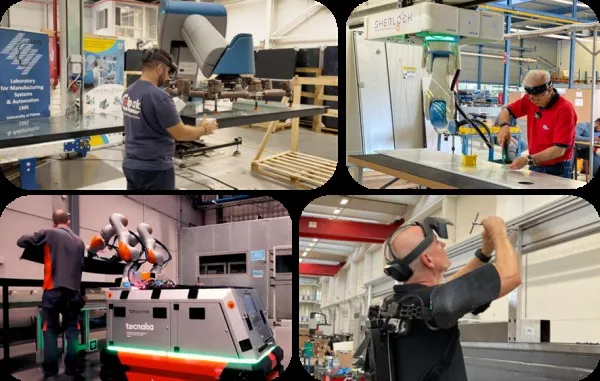
Collaborative robots are designed to work safely alongside human workers without the need for extensive safety barriers. These systems combine the strengths of human flexibility and robot precision.
Artificial Intelligence and Machine Learning
AI-powered robotic systems can adapt to changing conditions, optimize their own performance, and perform quality inspection tasks with human-like perception capabilities.
Internet of Things (IoT) Integration
IoT-connected robotic systems enable real-time monitoring, predictive maintenance, and seamless integration with other smart factory components, creating fully connected manufacturing ecosystems.
Conclusion
Industrial robotic systems represent a transformative technology that continues to reshape manufacturing landscapes worldwide. As these systems become more intelligent, flexible, and accessible, their adoption will expand beyond traditional large-scale manufacturing to smaller operations across diverse industries. The ongoing development of robotic technology promises to deliver even greater efficiency, quality, and innovation in the years to come, solidifying the position of industrial robotic systems as indispensable tools in modern manufacturing.