

How Automated Welding Systems Improve Efficiency
The manufacturing landscape has been profoundly transformed by the integration of automation, and welding processes are at the forefront of this evolution. Automated welding systems, encompassing robotic welders, advanced positioning equipment, and intelligent control software, are no longer a luxury but a critical component for competitive, efficient production. By replacing or augmenting manual welding, these systems deliver substantial improvements in speed, consistency, and overall operational efficiency. This article delves into the multifaceted ways automated welding enhances productivity and quality while reducing costs and waste.
1. Dramatic Increase in Production Speed and Throughput
One of the most immediate impacts of automation is a significant boost in production speed. Robotic welding arms can operate continuously, far exceeding human endurance limits.
- Continuous Operation: Automated systems work 24/7 with minimal interruption, requiring only scheduled maintenance and material replenishment.
- Faster Travel Speeds: Robots maintain optimal, consistent travel speeds that are often higher than manual welders can sustain.
- Reduced Non-Value-Added Time: Automation eliminates time spent on setup, repositioning parts, and tool changes through integrated tool changers and positioners.
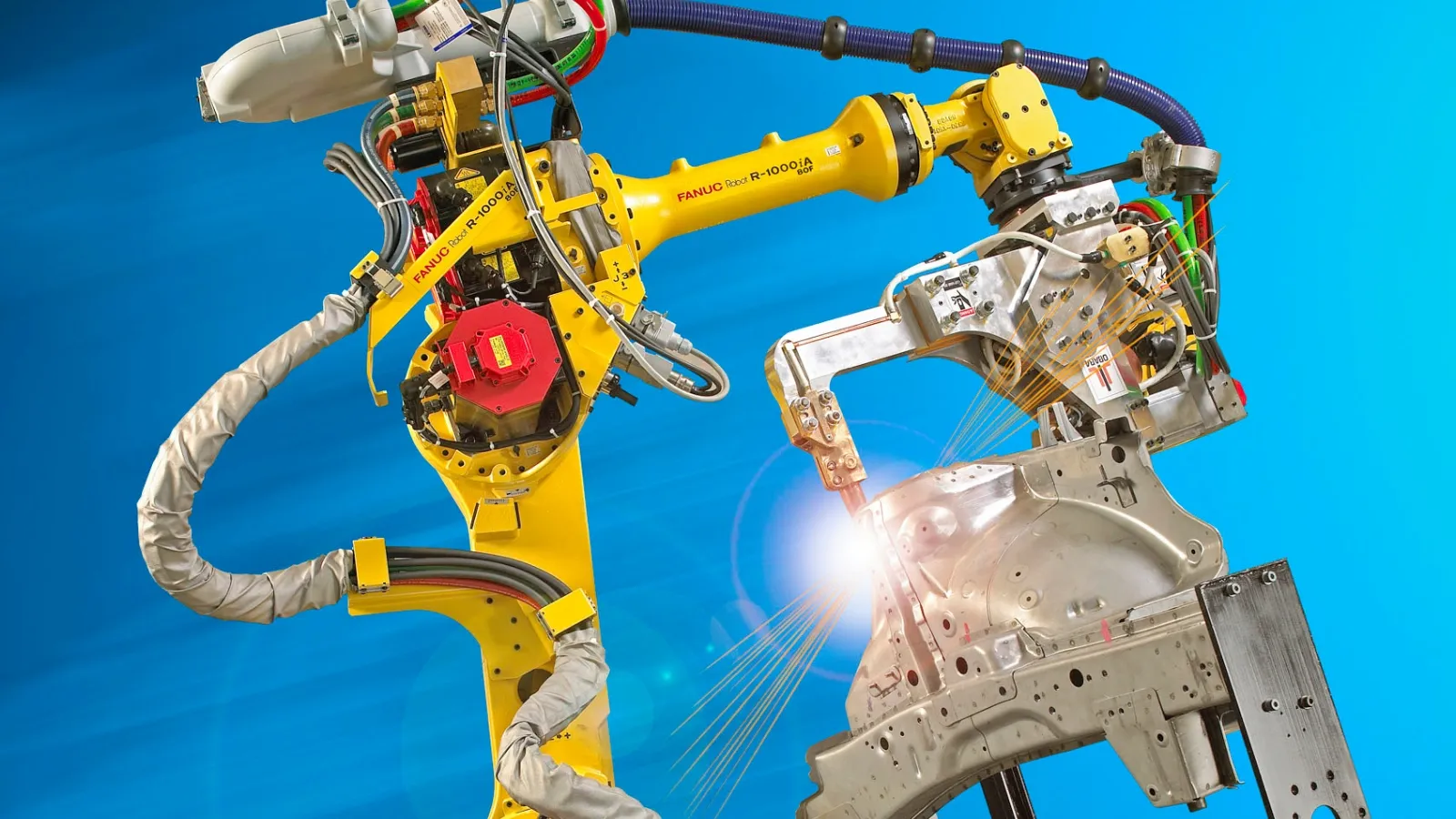
The cumulative effect is a higher volume of parts produced per shift, directly increasing throughput and allowing companies to meet demanding production schedules and scale operations effectively.
2. Unmatched Consistency and Superior Weld Quality
Human welders, despite high skill levels, are subject to fatigue, variability, and environmental factors. Automated systems excel in delivering repeatable precision.
Key Factors for Consistent Quality:
- Precise Path Repetition: Robots follow programmed paths with sub-millimeter accuracy for every single weld.
- Stable Parameters: Welding voltage, current, wire feed speed, and gas flow are maintained at optimal levels throughout the process.
- Adaptive Control: Advanced systems use laser vision or through-arc sensing to track seams and adapt in real-time to minor part variations.
This consistency drastically reduces defects such as porosity, undercut, or incomplete penetration, leading to stronger, more reliable products and a major reduction in rework and scrap.
3. Significant Reduction in Labor Costs and Skilled Labor Dependence
The global shortage of certified skilled welders is a major industry challenge. Automated welding systems provide a powerful solution.
| Factor | Manual Welding | Automated Welding |
|---|---|---|
| Direct Labor per Part | High (Hands-on time) | Low (Monitoring/Supervision) |
| Skill Requirement | High (Certified Welder) | Medium (Programmer/Technician) |
| Operator Fatigue | Significant Factor | Not a Factor |
| Scalability | Limited by Workforce | Scalable with Capital |
While initial investment is higher, automation allows one skilled technician to oversee multiple cells, optimizing the use of high-expertise personnel for programming and maintenance rather than repetitive manual tasks.
4. Enhanced Material Utilization and Waste Reduction
Efficiency isn't just about speed; it's also about optimizing resource use. Automated systems contribute significantly to lean manufacturing goals.
- Reduced Filler Metal Waste: Precise control over wire feed minimizes over-welding and spatter.
- Lower Gas Consumption: Efficient gas nozzles and controlled flow rates reduce shielding gas use.
- Less Energy Consumption: Faster cycle times and optimized parameters lead to lower energy use per part.
- Minimized Rework: High first-pass quality means less material is scrapped or requires corrective welding.
5. Improved Workplace Safety and Ergonomics
Welding involves hazards like intense light, fumes, heat, and repetitive strain injuries. Automation mitigates these risks.
Robots handle the welding torch in hazardous environments, keeping human operators at a safe distance. They perform welds in awkward positions (overhead, vertical) without risk. This leads to a safer workplace, lower insurance costs, and reduced absenteeism due to injury.
6. Integration with Smart Manufacturing and Data Analytics
Modern automated welding systems are key data generators in the Industry 4.0 ecosystem.
Data-Driven Efficiency Gains:
- Process Monitoring: Real-time tracking of all welding parameters for every weld.
- Predictive Maintenance: Data analytics predict component failure (e.g., torch liner wear) before it causes downtime.
- Quality Traceability: Each weld can be logged with its parameters, creating a full digital record for quality assurance and compliance.
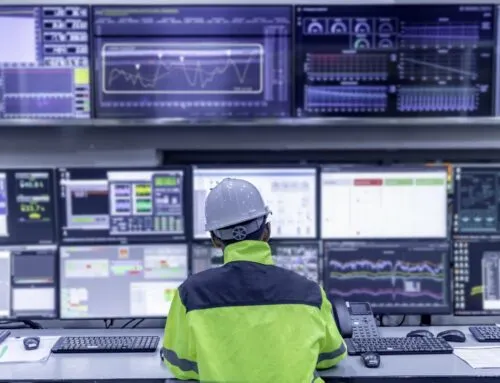
This connectivity allows for continuous optimization of the welding process, identifying bottlenecks and inefficiencies that were previously invisible.
The shift to automated welding systems represents a comprehensive strategy for improving manufacturing efficiency. The benefits are interconnected: speed and consistency drive higher output and lower costs, while quality and safety improvements reduce waste and risk. The initial capital expenditure is quickly offset by the long-term gains in productivity, resource utilization, and competitive advantage. As technology advances with better sensors, easier programming, and deeper AI integration, automated welding will continue to be a cornerstone of efficient, agile, and high-quality modern manufacturing.