

Cost-Benefit Analysis of Investing in Electronics Assembly Robots
The electronics manufacturing industry is undergoing a profound transformation driven by automation. Robotic systems, particularly for precision assembly tasks, are no longer a futuristic concept but a critical investment for companies aiming to remain competitive. This analysis explores the financial and operational implications of investing in electronics assembly robots, providing a framework for decision-makers to evaluate the potential return on investment (ROI).
Initial Investment Costs
The upfront capital required for robotic automation is significant and must be carefully broken down. It extends beyond the simple purchase price of the robot arm.
Hardware Acquisition
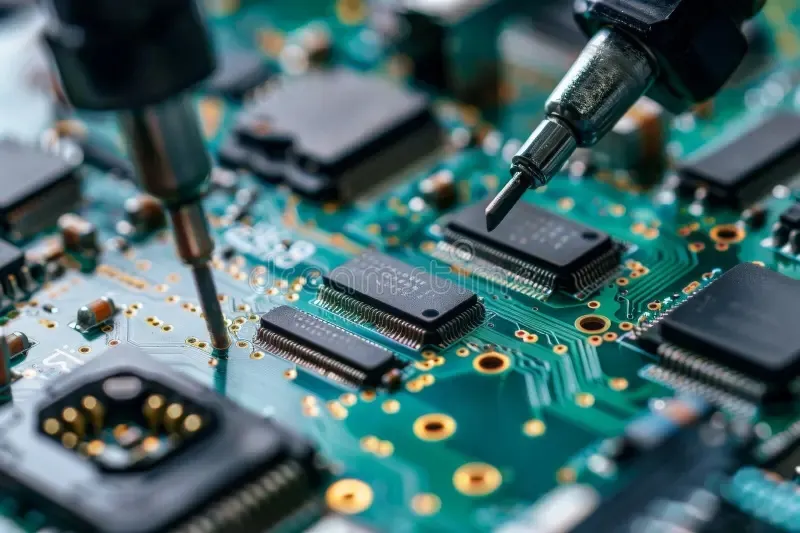
This includes the cost of the robot manipulator, end-of-arm tooling (EOAT) like specialized grippers or vacuum nozzles, and necessary peripherals such as precision feeders, vision systems for component alignment, and conveyors. High-precision robots for micro-electronics can range from $50,000 to over $200,000 per unit.
Integration and Installation
Integrating the robot into an existing production line is a major cost factor. This involves system design, software programming, safety fencing, electrical work, and calibration. Integration costs can often match or even exceed the hardware cost.
Training and Change Management
Investing in workforce training for programming, operation, and maintenance is essential. There are also costs associated with managing the organizational change and potential initial downtime during deployment.
| Cost Component | Estimated Range | Notes |
|---|---|---|
| Robotic Arm & Controller | $70,000 - $150,000 | Depends on payload, precision, and reach |
| Vision Guidance System | $15,000 - $40,000 | Critical for PCB fiducial marking and component alignment |
| Specialized EOAT & Feeders | $10,000 - $30,000 | Custom grippers, nozzle kits, tape-and-reel feeders |
| System Integration & Software | $50,000 - $100,000 | Engineering, programming, and installation services |
| Safety Systems & Infrastructure | $5,000 - $20,000 | Fencing, light curtains, electrical upgrades |
| Total Estimated Capital Outlay | $150,000 - $340,000 | Per work cell |
Tangible Benefits and Cost Savings
The justification for the investment lies in the substantial benefits, which often materialize in the short to medium term.
Labor Cost Reduction and Reallocation
Robots can operate 24/7 with consistent speed, directly reducing the number of operators required for repetitive assembly tasks. This allows companies to reallocate human workers to higher-value roles such as quality control, process engineering, and machine supervision. The savings are most pronounced in high-cost labor regions.
Dramatic Increase in Productivity and Yield
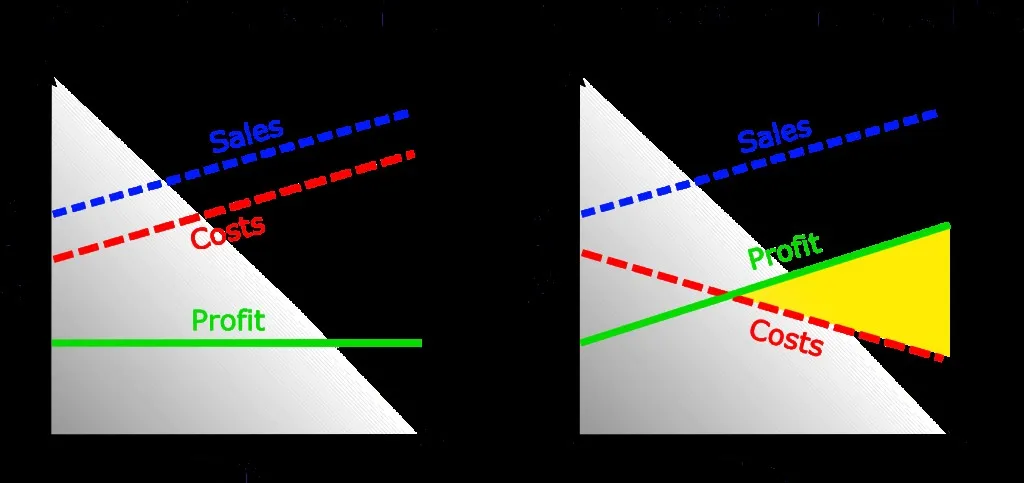
Assembly robots work at a constant, predictable pace without fatigue, increasing overall throughput. More importantly, their precision drastically reduces placement errors and component damage, leading to a higher first-pass yield and less material waste.
Enhanced Quality and Consistency
Robotic systems apply exact force and repeat placement with micron-level accuracy. This uniformity minimizes product defects and variability, leading to fewer returns, higher customer satisfaction, and a stronger brand reputation for reliability.
Reduction in Work-Related Injuries
Automating repetitive strain tasks (e.g., inserting small components, constant microscopic inspection) reduces the incidence of musculoskeletal disorders. This lowers costs related to worker compensation, insurance premiums, and absenteeism.
| Benefit Category | Estimated Annual Saving | Calculation Basis |
|---|---|---|
| Direct Labor Savings | $80,000 - $120,000 | 2-3 shifts, including benefits and overhead |
| Yield Improvement & Scrap Reduction | $20,000 - $50,000 | 2-5% yield increase on high-value assemblies |
| Lower Rework Costs | $10,000 - $25,000 | Reduced manual correction of assembly errors |
| Reduced Injury & Absenteeism Costs | $5,000 - $15,000 | Lower insurance and compensation claims |
| Total Estimated Annual Savings | $115,000 - $210,000 | Varies by product mix and labor rates |
Intangible and Strategic Benefits
Beyond direct savings, robotics investment confers strategic advantages that are harder to quantify but critical for long-term success.
Increased Manufacturing Flexibility
Modern collaborative robots (cobots) can be quickly reprogrammed and redeployed for different products or assembly steps, enabling agile responses to market changes and supporting high-mix, low-volume production.
Improved Data and Traceability
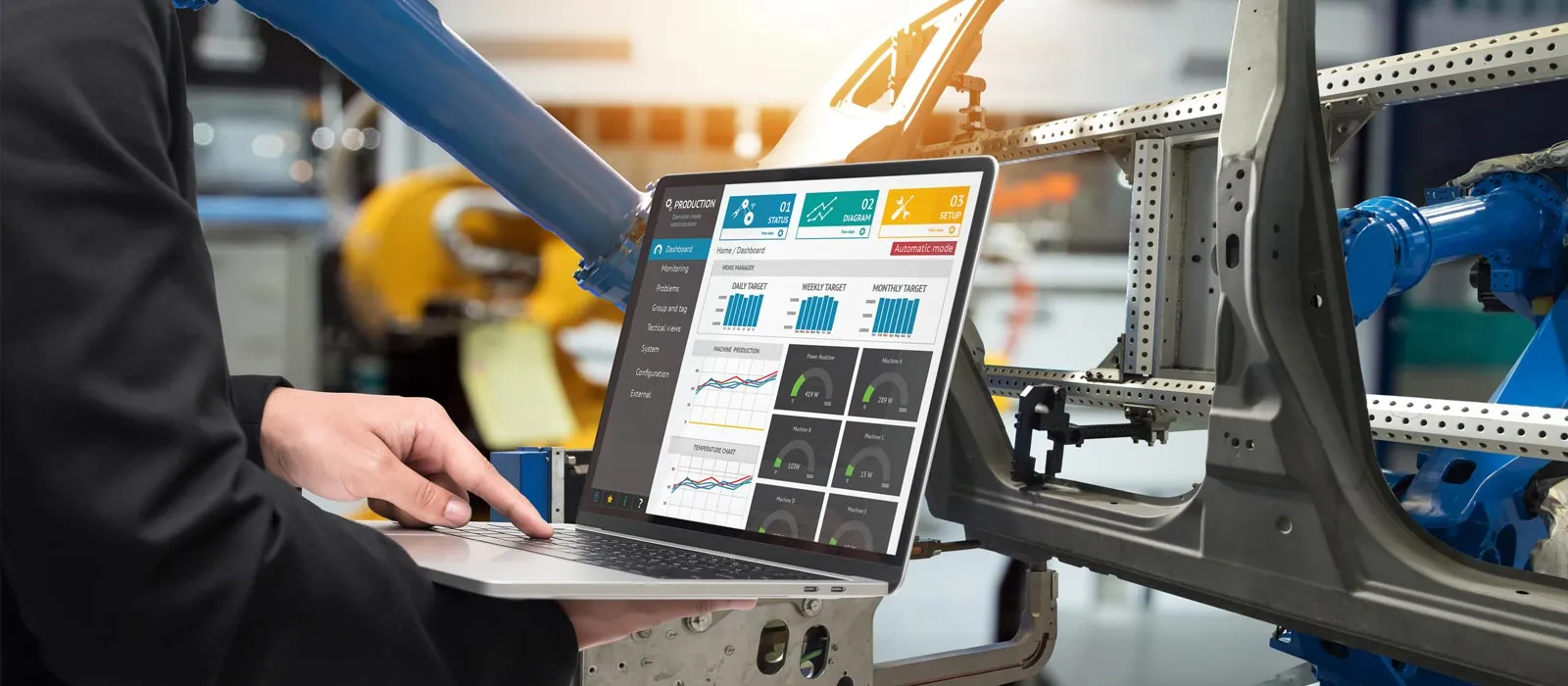
Robotic systems generate vast amounts of process data (cycle times, placement accuracy, error codes). This data is invaluable for predictive maintenance, process optimization, and full component-level traceability for quality audits.
Competitive Advantage and Market Positioning
Automation allows for faster time-to-market, the ability to manufacture more complex and miniaturized products, and enhanced capability to reshore production. This strengthens a company's position as an innovative and reliable supplier.
Key ROI Calculation
Using the mid-point estimates from the tables:
Initial Investment: $245,000
Annual Savings: $162,500
Simple Payback Period: $245,000 / $162,500 ≈ 1.5 years.
This does not even factor in the intangible strategic benefits, which can significantly amplify the long-term value.
Risks and Mitigation Strategies
The investment is not without risks. These include technical obsolescence, high maintenance costs for complex systems, and potential production disruptions during integration. Mitigation involves choosing modular, upgradable systems, investing in preventative maintenance programs, and phased implementation with thorough testing.
Conclusion
A comprehensive cost-benefit analysis reveals that while the initial capital outlay for electronics assembly robots is substantial, the potential for rapid ROI is compelling. Tangible savings from labor, yield improvement, and quality, combined with intangible strategic benefits like flexibility and data-driven insights, make a strong case for investment. For electronics manufacturers, the critical question is no longer if to automate, but when and how strategically to implement robotic systems to maximize their competitive and financial return. The payback period often falls within 1 to 3 years, after which the benefits contribute directly to the bottom line.