

Car Manufacturing Robots Price: A Comprehensive Guide
The automotive industry has undergone a revolutionary transformation with the integration of robotics. Car manufacturing robots are now indispensable, performing tasks from welding and painting to assembly and quality inspection. However, the price of these robots is a critical consideration for manufacturers aiming to balance automation benefits with cost-effectiveness. This article delves into the factors influencing car manufacturing robots price, current market trends, and a detailed cost breakdown.
Key Factors Influencing Robot Prices
The cost of car manufacturing robots is not a fixed figure; it varies significantly based on several interrelated factors. Understanding these can help manufacturers make informed investment decisions.
1. Robot Type and Payload Capacity
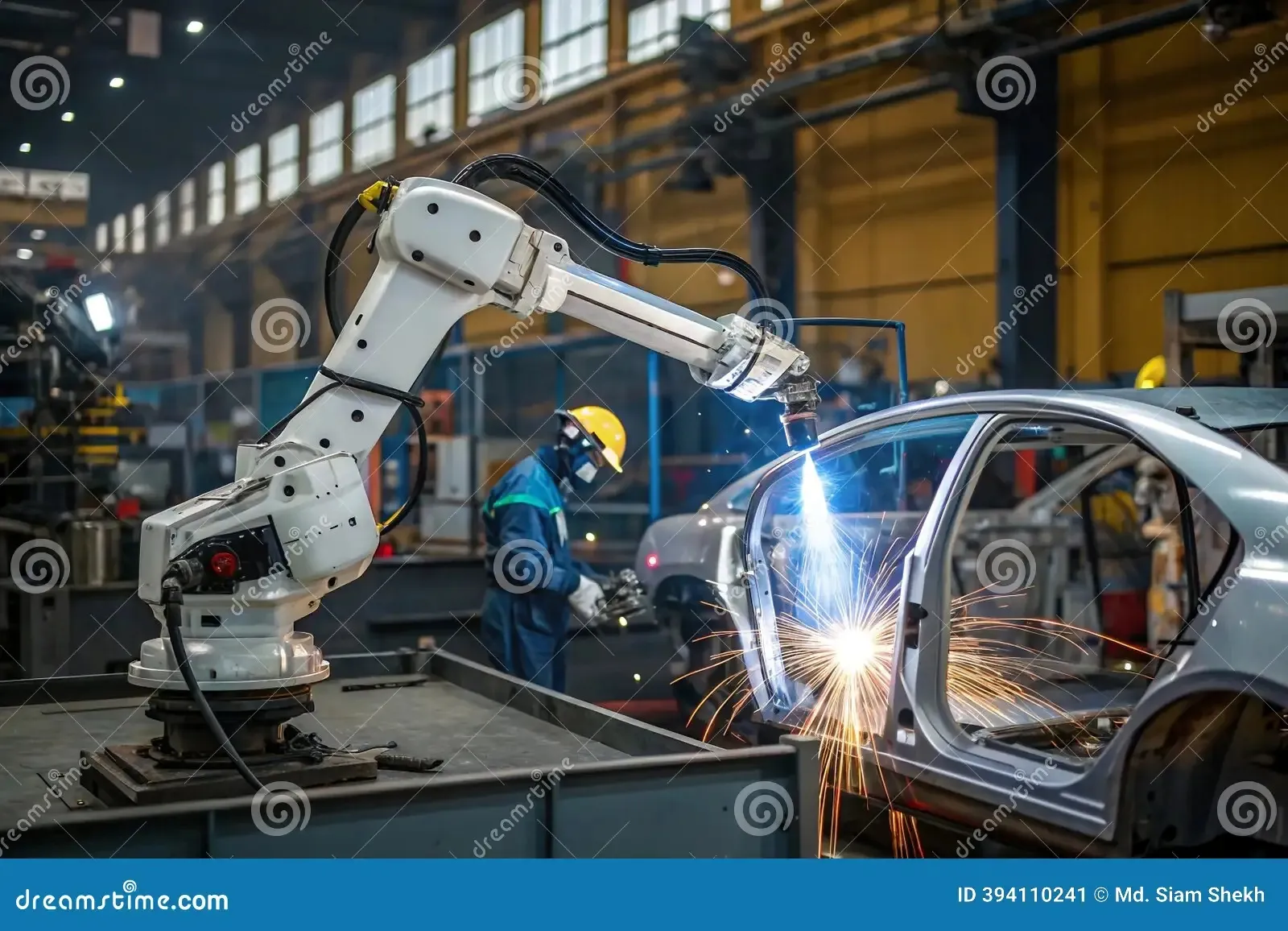
Different stages of car production require different types of robots. Articulated robots, SCARA robots, and collaborative robots (cobots) each serve unique purposes. Heavy-duty robots with high payload capacities (e.g., for handling car bodies) are generally more expensive than smaller, precision-focused robots used for tasks like electronics installation.
2. Degree of Automation and Integration Complexity
A standalone robot arm is just one component of an automated cell. The total system cost includes peripherals like end-effectors (grippers, welders), sensors, safety systems, and software for integration with existing manufacturing execution systems (MES). Complex, fully integrated lines command a much higher price.
3. Brand and Technological Sophistication
Established brands like Fanuc, ABB, KUKA, and Yaskawa often price their robots at a premium due to proven reliability, advanced features (like AI and machine vision), and global support networks. Newer or less established brands may offer lower initial purchase prices.
Average Price Range Breakdown
The following table provides a generalized overview of the price ranges for different categories of car manufacturing robots, including typical applications.
| Robot Category | Typical Application in Car Manufacturing | Estimated Price Range (USD) | Notes |
|---|---|---|---|
| Small Articulated / Cobots | Assembly, screw driving, small part handling | $25,000 - $75,000 | Lower payload, easier programming, often used alongside humans. |
| Medium Payload Articulated | Welding, painting, material handling | $75,000 - $150,000 | Most common type; price varies with reach and precision. |
| Large Payload Articulated / Gantry | Body-in-white assembly, heavy lifting | $150,000 - $300,000+ | High strength and durability for the most demanding tasks. |
| Fully Integrated Robotic Cell | Complete door assembly, engine mounting station | $250,000 - $500,000+ | Includes robot(s), peripherals, safety fencing, and programming. |
Beyond the Initial Purchase: Total Cost of Ownership (TCO)
The purchase price is only the beginning. A savvy manufacturer must evaluate the Total Cost of Ownership, which includes:
- Installation & Integration: Can account for 50-100% of the robot's base price.
- Programming & Training: Costs for engineers and technicians.
- Maintenance & Spare Parts: Regular servicing and potential component replacement.
- Energy Consumption: Ongoing operational cost.
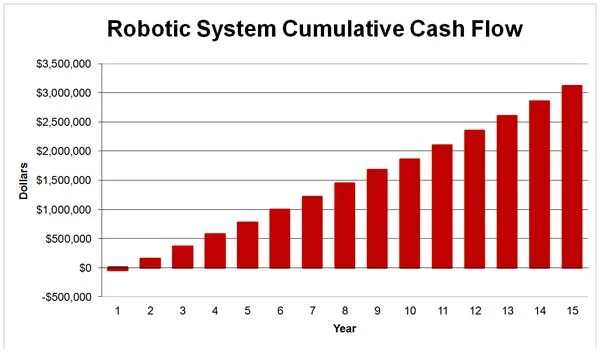
- ROI (Return on Investment): The reduction in labor costs, increased throughput, and improved quality must justify the TCO, often within a 1-3 year timeframe.
Market Trends Impacting Future Prices
Rise of Collaborative Robots (Cobots)
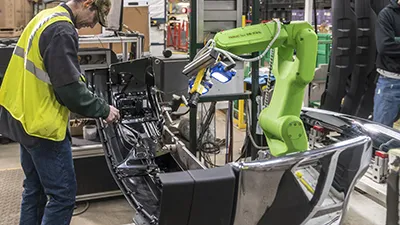
Cobots are making automation more accessible for smaller tasks. While their unit price is often lower, their increasing adoption in final assembly may influence overall market pricing dynamics.
Advancements in AI and Sensing
Robots with advanced machine learning and 3D vision capabilities are more expensive but offer greater flexibility and reduced programming time for complex tasks like final inspection.
Global Supply Chain and Material Costs
Fluctuations in the cost of components (e.g., semiconductors, rare-earth metals for motors) and logistics directly impact robot manufacturing costs and final prices.
Conclusion
The price of car manufacturing robots is a multifaceted subject, ranging from tens of thousands to several hundred thousand dollars per unit. The final investment is dictated by the robot's type, capabilities, brand, and the complexity of its integration. By carefully analyzing both the initial price and the long-term Total Cost of Ownership against the expected gains in productivity, quality, and safety, automotive manufacturers can make strategic decisions that drive their competitive advantage in an increasingly automated industry. The trend towards smarter, more flexible, and collaborative systems continues to evolve the cost-benefit equation of robotic automation.