

Benefits of Implementing Printing Automation Systems for Businesses
In today's fast-paced digital landscape, businesses are constantly seeking ways to streamline operations, reduce costs, and enhance productivity. One often-overlooked area with significant potential for improvement is the printing environment. Implementing printing automation systems can transform document workflows, leading to substantial benefits across the organization. This article explores the key advantages of adopting automated printing solutions and how they can drive business success.
1. Significant Cost Reduction and Resource Optimization
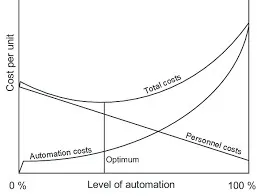
Manual printing processes are fraught with inefficiencies that lead to wasted resources. Automation introduces intelligent management of printing resources, directly impacting the bottom line.
Reduced Paper and Toner Consumption
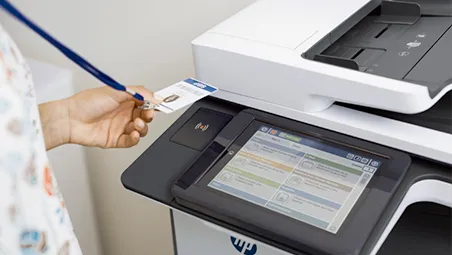
Automated systems enforce rules such as duplex printing, grayscale defaults for internal documents, and secure print release, which require user authentication at the device before printing. This drastically cuts unnecessary print jobs and reduces consumption of paper and toner by up to 30%.
Lower Labor and Maintenance Costs
Automation reduces the time IT staff spend on managing printers, troubleshooting user issues, and handling supplies. Predictive maintenance alerts can prevent costly breakdowns.
2. Enhanced Operational Efficiency and Productivity
Automation streamlines the entire document workflow, freeing employees from tedious manual tasks and accelerating business processes.
Faster Document Processing
Automated workflows can route documents for scanning, printing, and distribution without human intervention. For example, invoices can be automatically scanned, indexed, and sent to the accounting system, while reports can be printed and collated for specific departments overnight.

Minimized Downtime and Errors
Automated monitoring ensures supplies are replenished proactively, and fleet management tools provide real-time status updates, minimizing device downtime and the errors associated with manual handling.
| Efficiency Metric | Before Automation | After Automation | Improvement |
|---|---|---|---|
| Average Print Job Time | 5 minutes | 1 minute | 80% faster |
| IT Help Desk Tickets (Print-related) | 50 per month | 10 per month | 80% reduction |
| Document Processing Time | 2 days | 4 hours | 90% reduction |
| Supply Ordering Time | Manual, ad-hoc | Automated alerts | 100% automated |
3. Improved Security and Compliance
In an era of data breaches and stringent regulations, securing printed documents is paramount. Printing automation provides robust controls.
Secure Print Release and Access Controls
Solutions like "Follow-You" printing ensure documents are only printed when the user is physically present at the device, preventing sensitive information from being left unattended on output trays.
Audit Trails and Compliance Reporting
Automated systems log all print, copy, scan, and fax activities, creating detailed audit trails. This is essential for industries like healthcare (HIPAA) and finance (SOX, GDPR) to demonstrate compliance.
4. Environmental Sustainability
Printing automation aligns with corporate social responsibility (CSR) goals by promoting sustainable practices.
By enforcing duplex printing and reducing overall volume, companies significantly lower their paper waste and carbon footprint. Automated power management puts devices into low-energy sleep mode when not in use. Many systems also provide detailed reports on environmental savings, which can be used in sustainability reports.
5. Scalability and Future-Proofing
As a business grows, its printing needs evolve. Automated systems are inherently scalable.
Cloud-based print management solutions allow for easy addition of users and devices across multiple locations. The centralized management console provides a holistic view of the entire print fleet, making it easy to optimize and scale operations without proportional increases in administrative overhead.
Key Considerations for Implementation
To successfully implement a printing automation system, businesses should:
- Conduct a Print Audit: Understand current usage patterns and pain points.
- Choose the Right Solution: Evaluate on-premise vs. cloud-based options based on security and IT infrastructure.
- Prioritize User Training: Ensure smooth adoption by educating employees on new workflows.
- Start with a Pilot: Roll out the system in one department first to refine the process.
Conclusion
Implementing a printing automation system is a strategic investment that goes far beyond simply managing printers. It delivers tangible benefits in cost savings, operational efficiency, security, compliance, and sustainability. By transforming the document workflow from a passive, cost-centric operation into an intelligent, streamlined process, businesses can unlock significant value, empower employees, and build a more resilient and agile operational foundation for the future.